News Story
After a demanding season, BRB dancers have five weeks away from the studio to rest, recover and recharge. Clinical Director Dr Nick Allen explains why this time away is so important – and why there is no one-size-fits-all approach to the summer break.

The importance of an off-season
I like the fact that we have defined seasons. My background is in professional and Olympic sport, and that structure is something I’ve always been familiar with. It might sound a little bit strange, but I like the fact that there’s a clear point when the season comes to an end.
There’s a final drive to the line – the energy and momentum of knowing that there is a finish point. You can push yourself through that final part of the season, when you’re getting a little bit tired, and might have some niggles you’re struggling with, but you know there’s a finishing line. You just need to get over it. Then you can switch off and relax, and that’s really important.
From a physiological point of view, five weeks is actually quite a long time away from dance. The amount of detraining that can occur over that period is notable. However, our company is wonderfully diverse, with dancers travelling home to all corners of the world. Some might be flying all the way to China or Australia, so the length of the summer break allows them to travel, spend time with their families, recover from the journeys and then return to the UK.
It also gives dancers the opportunity to truly switch off. From a mental health perspective, it can usually take around two weeks to properly unwind and decompress. When you factor in travelling and everything else that comes with the end of a season, the summer break gives dancers that valuable time.
Giving the body time to recover
That final push towards the end of a season can also mean that dancers have been managing injuries or niggles. They might have thought, 'I’ve only got two weeks left, I can get through it. The summer break provides an opportunity for those injuries to finally settle down and recover. From a medical point of view, that is really positive.
Every dancer has to make their own individual decision about how they use their time off. Some dancers will decide to take the whole five weeks completely away from dance, and that is what feels right for them. We support that. Others might feel that five weeks is too long and that they feel better when they are moving. There isn’t a one-size-fits-all approach, but we would normally advocate spending the first 12-14 days switching off completely. Let it all go, relax and decompress. That is really important.
After that, dancers can start to think about what physical and mental activities they would like to do. It can be useful to try something different, what I would call a little bit of cross-fertilisation. You might go swimming or play tennis, for example. It’s still physical activity, but it isn’t specific to the skills you use every day as a dancer. It gets everything moving again without immediately returning to the demands of dance.

Preparing for the new season
As the new season approaches, preparation becomes increasingly individual. Some dancers know their own bodies very well and might recognise that they need longer to build up their jumps, for example. They might choose to start some physical preparation during the summer, perhaps doing some barre work or jump exercises on the Pilates reformer. Others may benefit from taking the whole break away from dance.
The important thing is that dancers learn more and more over time about how their bodies respond during the off-season. That gives them a better understanding of how they need to prepare to be ready for the beginning of a new season. As a company, we also work hard on building appropriately through the start of the season. We want to make sure there is the right incremental build-up towards the first performances, rather than dancers going from complete rest straight into a full workload.
Looking after wellbeing throughout the season
The way we approach the summer break is also connected to how we manage workload throughout the entire season. At our Senior Leadership Team meetings, we have talked a lot about workload across the seasons and how we can better support wellbeing, as well as managing the physical loading dancers experience. It’s important to think about when we can decompress and when we can take the load down a little bit to better support our people. That has to be considered across the entire season.
If a dancer works the whole way through the summer, they might start the new season feeling pretty good. But by the winter months, that long haul can start to have an impact, and they may find it much harder. So how we prepare during the off-season, and how we work throughout the season, are both really important. And ultimately, it still has to be individualised, because every person will be taking their own journey through it.
The goal is for our dancers to return feeling rested, recovered and energised, ready to start the new season.
Find out more about The Jerwood Centre

The Jerwood Centre: the strength behind every step in Swan Lake

Inside BRB’s AI Nutrition Project with Clinical Director Dr Nick Allen
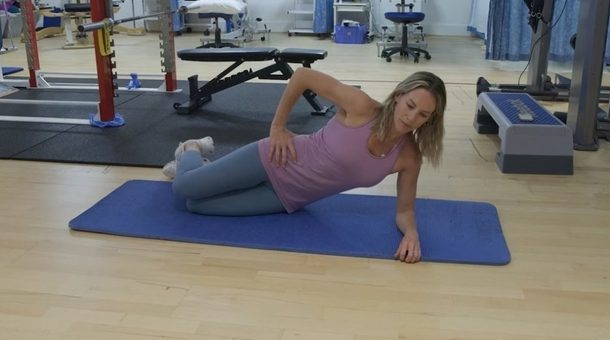
How do dancers train for Swan Lake? Rehabilitation and Conditioning Lead Esther Collacott on her go-to conditioning exercises
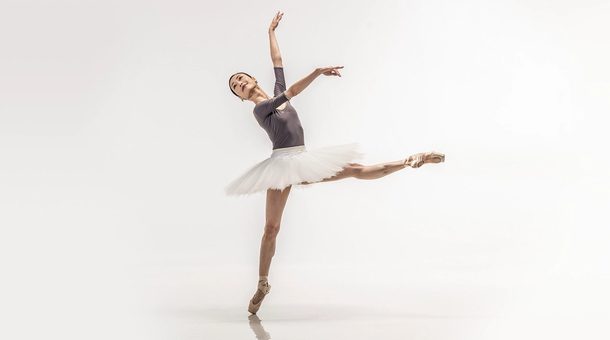
Exploring ballet's hardest moves: the 32 fouettés from Swan Lake

Dealing with injury as a ballet dancer: insights from Hannah Martin and Nick Allen
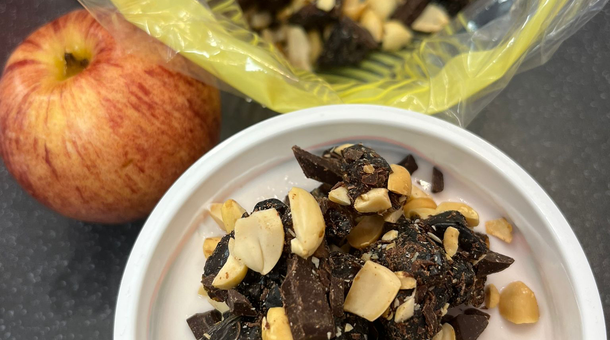
Fuel for performance: inside dancer nutrition at Birmingham Royal Ballet
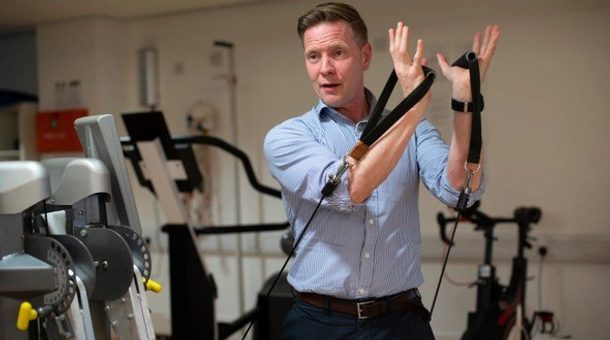
The Jerwood Centre: supporting dancers on tour

Announcing a strategic partnership with University of Birmingham
Exploring ballet's hardest moves: barrel turns

Post-performance recovery, health and self-care with Matilde Rodrigues

WATCH: The Silence After Applause