News Story
Artist Matilde Rodrigues shares her daily recovery and self-care practices to support optimal health and performance as a dancer.
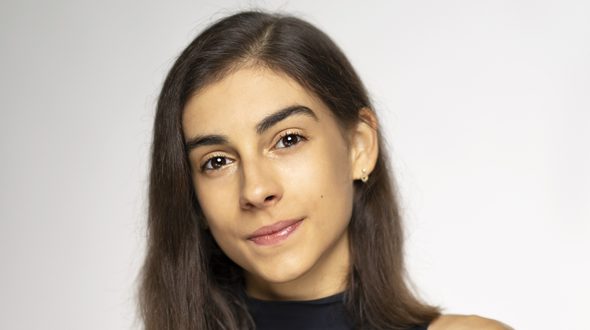
As dancers, our bodies are our instruments. If we don’t take care of them, what is the point of pushing ourselves, only to be in pain or unable to dance at our best? For me, taking care of my body – and my mind – isn’t optional, it’s essential. If the body isn’t healthy, or the mind isn’t strong, it becomes very difficult to cope with the demands of this career.
During busy periods of rehearsals, performances, or touring, recovery is what allows me to keep going without breaking down or getting injured. That recovery has to be both physical and mental. It’s what sustains me through long days and helps me dance with consistency, strength, and joy.
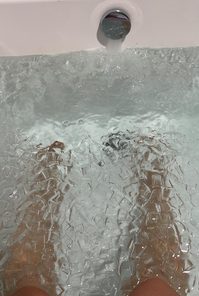
One of the main physical recovery tools I rely on is ice bathing. If something starts to ache or feel uncomfortable, I ice it straight away to reduce inflammation. Ice baths are especially helpful as a female dancer, as our feet and lower legs can become very sore and inflamed from pointe work. I pay close attention to small aches and pains – the moment something feels off, I address it immediately, rather than letting it develop into a bigger injury.
Hydration is another key part of my daily routine. It’s easy to forget to drink enough water during rehearsals, and drinking too much at once can feel uncomfortable when dancing, so I make sure to sip consistently throughout the day. We lose a lot of water and minerals through sweat, so electrolytes are incredibly helpful in restoring what the body needs.
Nutrition is just as important, and it requires planning. Dancing with a full stomach is difficult, so I focus on light, high-energy, nutritious snacks throughout the day that fuel me without weighing me down. I always finish the day with a proper, nourishing meal. I love cooking my own food because it allows me to use fresh ingredients and maximise nutrient density. Dinner is the one time I can really sit down, slow down, and fully nourish myself after a long day of dancing.
I often meal-prep trays of roasted vegetables for the week and pair them with carbohydrates like rice and protein such as eggs, which are a complete food full of amino acids and healthy fats that support recovery. One of my go-to meals is a large omelette with mushrooms and cheese, rice, and lots of vegetables. After intense physical work, refuelling properly is essential, and for athletes, what you eat after exercise is often even more important than what you eat before. Overnight, while we sleep, the body absorbs those nutrients and repairs itself.
Rehearsal periods can be particularly demanding, especially when learning new ballets. The fatigue isn’t only physical – the mental effort of learning new material can be just as exhausting. One thing that really helps me is switching off when I get home and mentally leaving work in the studio. I also try to be kind to myself. Not every day will go exactly how I want it to, and that’s okay. This work is always a process, and accepting that some days are better than others has been important for my mental wellbeing.
Show days bring their own challenges, especially when performing both matinee and evening shows. Finding the right balance of rest and nutrition can be difficult, and I’m still learning what works best for me. Every dancer’s body is different, and what works can change from season to season. On performance days, I like light, energy-dense snacks. Yoghurt with dates and nut butter is one of my favourites, especially in the summer.
Touring can be the most challenging environment for recovery. There are no ice baths, but I always take advantage of ice bags and improvise where I can, sometimes even using buckets of ice from hotel bars. Food also requires organisation, as you can’t cook in the same way. I travel with a bowl and use microwaves in venues to prepare simple meals, which allows me to do things like steam vegetables. Even on tour, I try my hardest to give myself something as close to a home-cooked meal as possible.
Mental and emotional self-care are just as important to me. I value prayer and quiet time connected to my faith, which helps me reflect, process challenges, and remember that there is a time for everything. When things don’t go as planned, I try to see them as opportunities to learn and grow. Music is another form of therapy for me, both listening to it and playing the guitar helps calm my nervous system, especially after high-adrenaline show days.
Image gallery
A gallery slider
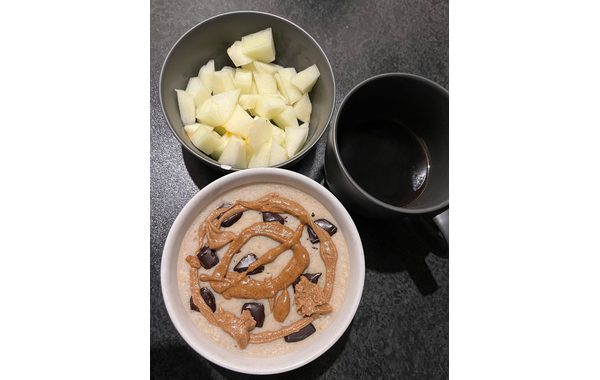
Matilde's breakfast: overnight oats with protein powder, dark chocolate and nut butter; coffee and melon
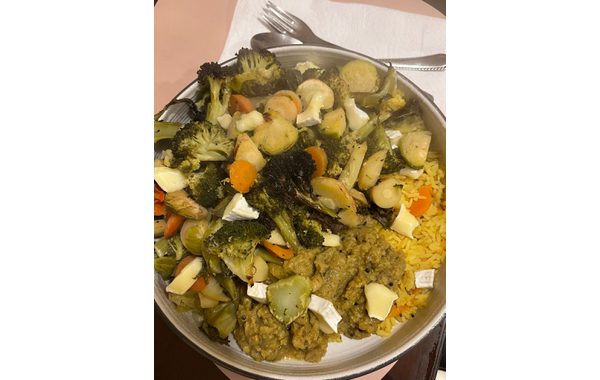
Matilde's dinner: roast vegetables with rice, lentil dahl and some brie cheese
Transitioning from ballet school into a professional company was a learning curve. At school, I lived at home and had support with everyday life. Moving away meant suddenly managing everything on my own, from cooking to laundry to recovery. Learning how to truly take care of myself, both practically and physically, was a big part of becoming a professional dancer.
Body image is something many dancers struggle with. We spend hours a day looking at ourselves in mirrors, often in leotards and tights. I remind myself that my body is not an object to be used and abused – it is my instrument and my temple, and it deserves respect. There is no such thing as a perfect body, so making your body suffer for an ideal that doesn’t exist makes no sense.
This career doesn’t last forever. I want a healthy life after ballet, and I want a family one day. That means taking care of bone health, hormone health, and overall wellbeing now. Dancers need to remember that there is a life beyond ballet, and our bodies will naturally change. Dancing should not mean long-term suffering. It’s meant to be enjoyed.
The dancers I admire most are those who take care of themselves. They understand what truly matters... dancing, yes, but not at the cost of destroying their bodies. Ballet is often seen as effortless and glamorous, but our job is to make something extremely demanding look easy. We can’t show the strain the way other athletes can. And yet, the reward at the end – standing at the curtain call, seeing people smiling and applauding – makes it all worthwhile.
Before I go on stage, I always pray that I can transmit joy, even if it’s to just one person. If I can change how someone feels, make them smile, or brighten their day, then everything we do is worth it.
BRB houses the Jerwood Centre for the Prevention and Treatment of Dance Injuries – a specialised facility for the Company providing world-class medical, rehabilitation, research and educational support to keep our dancers healthy, help them recover from injuries and reach peak performance.
The Jerwood Centre is a leader in dance medicine and science. Click here to find out more about the Jerwood Centre and how BRB takes care of its dancers.