News Story
'In some ways, I think Ludwig Minkus is the ultimate 19th-century classical ballet composer. His music is absolutely perfect for ballet.'
Music Director Paul Murphy tells us about one of the masters of 19th-century ballet music, Ludwig Minkus, and his score for Don Quixote.

In some ways, I think Ludwig Minkus is the ultimate 19th-century classical ballet composer. His music is absolutely perfect for ballet. Minkus understood exactly what Marius Petipa* wanted. Everything in the music is highly danceable, rhythmical and lively, or tender where it needs to be, particularly in the pas de deux. He simply knew how to write for dancers.
It’s also worth remembering that Minkus came before Tchaikovsky. Early on, choreographers struggled with Tchaikovsky’s ballet scores because they were too symphonic; now, of course, we worship them. But in the early part of the 19th-century, choreographers were used to collaborating with composers like Minkus, Drigo and Pugni; not renowned for their symphonic output but ideal at producing highly danceable music.
Don Quixote is a wonderful example of that. The remit was to take a section of Cervantes’ novel, which is enormous, and turn it into a ballet. What we’re left with is really a small, lively story about Kitri and Basilio rather than the Don himself. The book is about the Don’s journey and his dreamlike world, but the ballet becomes a vibrant, Spanish-flavoured fiesta in three acts. It’s tremendous fun.
Some of the music is genuinely beautiful, like the pas de deux in Acts I and II, for example. There are also moments that are quite unusual; Carlos chose a rarely performed number called 'Carmencita' for the Act II pas de deux which isn’t especially predictable musically, but is actually part of the original score, so Minkus isn’t always as formulaic as people assume. Yes, some of the Spanish references can feel a little clichéd with castanet-style rhythms and lots of repetition, but it’s very evocative ballet writing.
Don Quixote was never part of Birmingham Royal Ballet’s repertoire until Carlos brought it to the Company. He had already created the ballet for The Royal Ballet, but that production wasn’t suitable for touring, so the designs were reworked for BRB. Choreographically, the ballet remains largely the same, but musically we made some important decisions.
Image gallery
A gallery slider
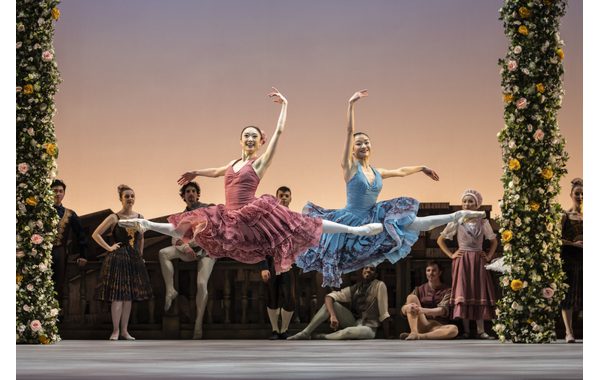


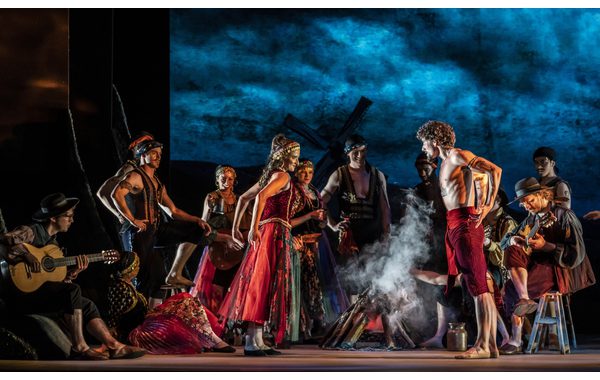
Carlos’s original version was orchestrated by Martin Yates, who added a great deal of colour and idiomatic flourishes but Koen Kessels (then Music Director) and I were keen to present something closer to the original score. Koen suggested that we hire the Belgian composer and arranger Hans Vercauteren to work from the original materials, thinning out the orchestration while retaining the flavour of Minkus. There were corrections to be made along the way – 19th-century ballet scores are often littered with inconsistencies – but the aim was never to impose a new voice, only to restore the music as much as possible. That decision transformed the ballet. It allowed us to lift the pace, energise the dancers, and let the score sparkle in the way it’s meant to.
Conducting Don Quixote is great fun, but it’s not easy. The music is relatively straightforward, but there are many changes of speed, and there’s a huge amount of interaction with the stage. Unlike some ballets where the music can lead more freely, Don Quixote requires constant focus on the dancers. With different casts, the tempi will always shift slightly, and we have to respond. It’s also a very busy score, particularly for the musicians in the orchestra. There’s a lot to manage, not just for the principals but for the corps de ballet as well. But it’s a joy to conduct, and the orchestra genuinely love playing it.
Don Quixote is a fun and virtuosic ballet. The Royal Ballet Sinfonia and I really look forward to revisiting it.
* The French and Russian ballet dancer, choreographer and ballet master Marius Petipa is best-known for having created the original versions of the classical ballets Swan Lake, The Sleeping Beauty and The Nutcracker. He is often regarded as the father of classical ballet for his work and for his collaborations with composers like Tchaikovsky.
Find out more about Don Quixote

Don Quixote: thank you!
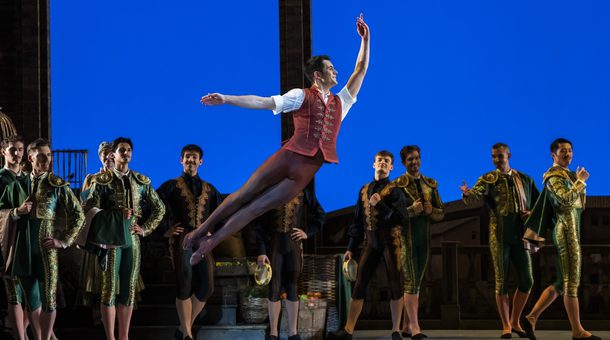
WATCH: Mathias Dingman performs Basilio
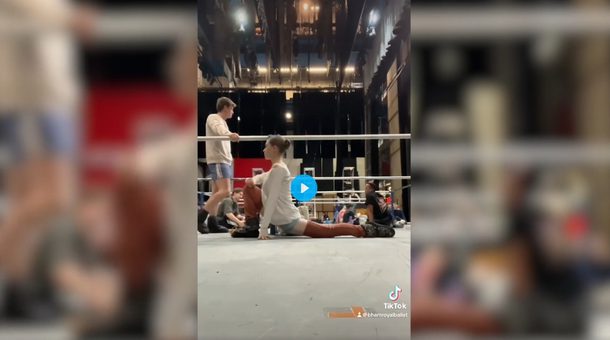
WATCH: 'A Day in the Life' on tour with Hannah Martin
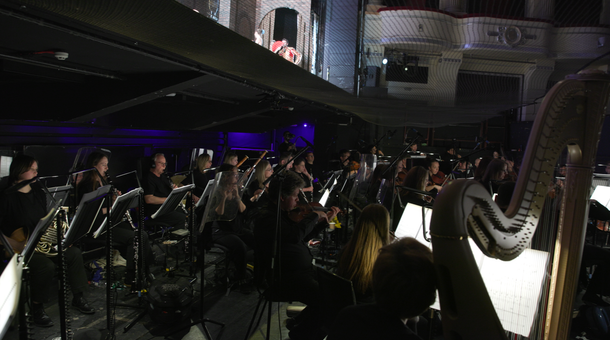
Fascinating Facts: Don Quixote music
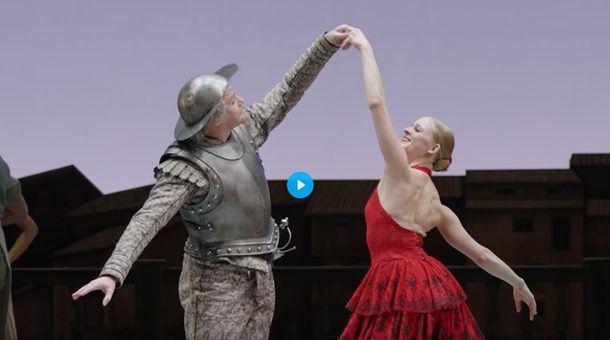
WATCH: Jonathan Payn on performing the title role in Don Quixote
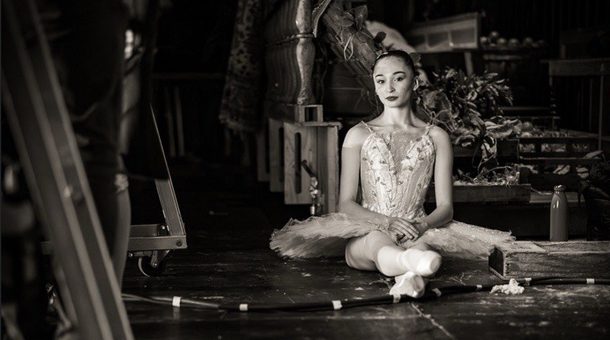
Yasemin Kayabay: Don Quixote tour diaries
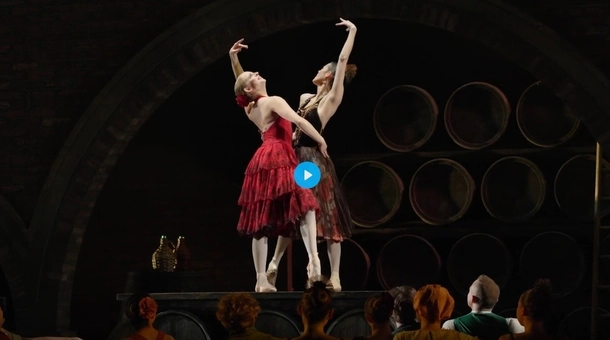
WATCH: Kitri and Mercedes in Act III
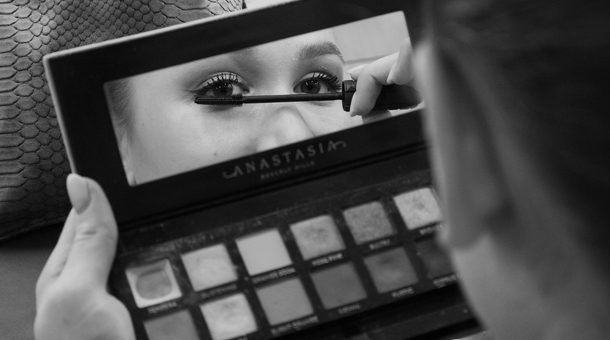
Alisa Garkavenko: 'Get Ready With Me' for a performance of Don Quixote
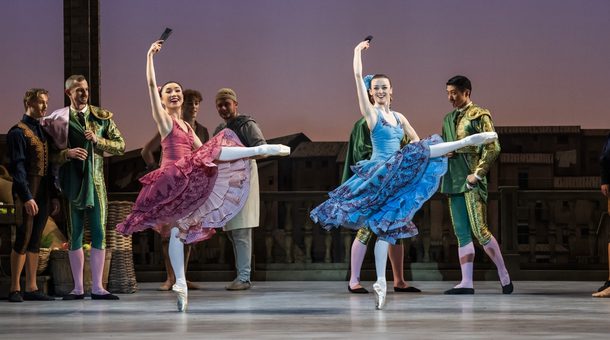
Hannah Martin on debuting as Kitri's Friend in Don Quixote
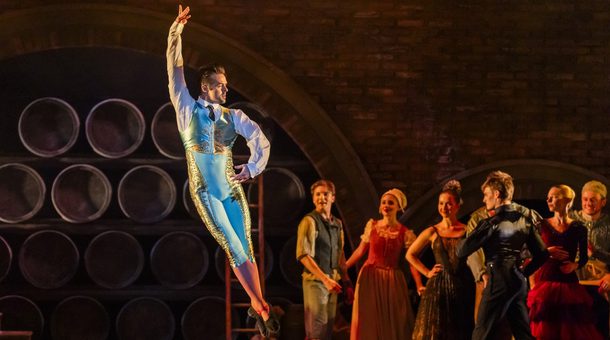
WATCH: Lachlan Monaghan on the character of Espada in Don Quixote
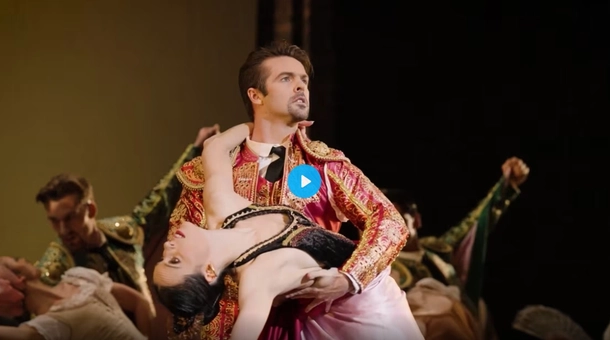
WATCH: Lachlan Monaghan performing Espada in Don Quixote
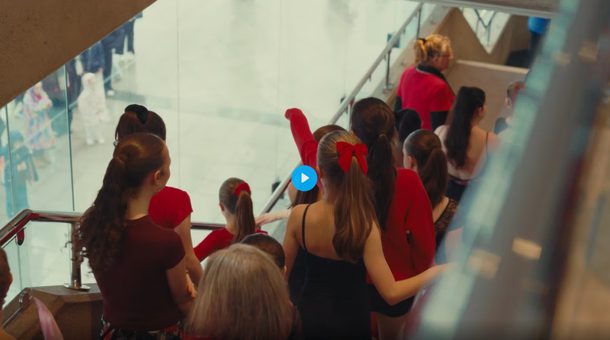
FANtastic Flash Mob in Plymouth – A Sizzling Spanish Success!