News Story
In this series, we're exploring some of ballet's most demanding steps. Here, BRB Principal Dancer Momoko Hirata and Rehabilitation and Conditioning Lead Esther Parton break down the 32 fouettés from Swan Lake.
Principal Dancer Momoko Hirata on mastering the 32 fouettés
For me the 32 fouettés are one of the most iconic moments in Swan Lake. They're exciting to watch, but they're also one of the most challenging passages for a dancer to perform.
Interestingly, I actually find them easier to perform on stage than I do in the studio. When I'm performing Odile, I'm not just thinking about the turns themselves. I'm completely immersed in the character. Odile is determined, powerful and fearless, and that energy, combined with the adrenaline of performing and Tchaikovsky's incredible score, helps carry me through. In the studio, when it's just you practising, it's much harder.
People often think the biggest challenge is spinning 32 times, but for me it's really about coordination. Everything has to happen at exactly the right moment. And If I don't practise fouettés for a while, that coordination can disappear quickly, so I'll often work on them at the end of ballet class to keep the movement familiar.
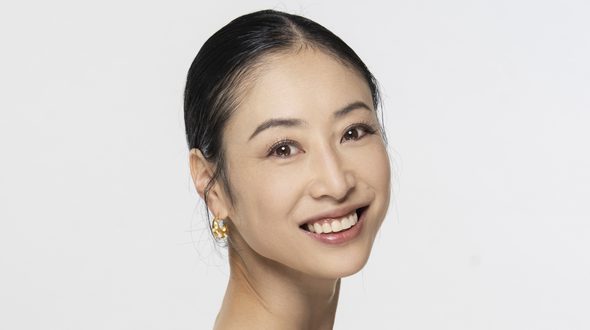
People often think the biggest challenge is spinning 32 times, but for me it's really about coordination
Preparing for a performance is about much more than practising the turns in isolation. In Swan Lake, the fouettés come at the end of a demanding sequence. By the time Odile reaches the coda, you've already danced the pas de deux and your variation, so you're exhausted. That's why I always rehearse the whole section together. It builds the stamina you need for the final challenge and gives you an honest idea of where your fitness is before stepping on stage.
Strength is another essential part of the preparation, particularly in the supporting leg. I spend a lot of time working on controlled landings in class and doing calf raises at the end of barre. They're brilliant for building strength through the calves, ankles and supporting leg, while also encouraging you to lengthen through the body and engage your core. Strengthening the glutes is just as important because everything has to stay lifted, stable and turned-out1 throughout the sequence.
By the time I begin the fouettés, I'm always tired. The biggest challenge is holding onto that coordination. For me, if you lose the coordination, you lose everything.
1 Turnout – the outward rotation of the legs from the hips
everything has to stay lifted, stable and turned-out throughout the sequence
Momoko demonstrating fouettés.
Jerwood Feature: Rehabilitation and Conditioning Lead Esther Parton on the physiology behind the 32 fouettés
The 32 fouettés are usually reserved for more experienced dancers, because they require an extraordinary level of skill. What makes someone like Momoko exceptional isn't just that she can complete all 32 turns. It's that she performs them with incredible efficiency. Every movement is so precise that she uses the smallest amount of energy possible, making something incredibly difficult appear almost effortless.
One of the biggest physical challenges is coping with the momentum of continuous spinning while avoiding dizziness. Most people would struggle after just a couple of turns, but experienced dancers have trained their vestibular system, the part of the inner ear responsible for balance, so they can manage that sensation. Combined with highly developed spotting2, it allows them to keep turning while staying focused, balanced and in exactly the same place on stage.

experienced dancers have trained their vestibular system, the part of the inner ear responsible for balance, so they can manage that sensation
Although the movement looks fluid, the upper body is working incredibly hard. The head has to whip around quickly to spot while the neck, shoulders and upper back stay remarkably still. Those muscles are constantly working to stabilise the body, which is why dancers often finish rehearsals or performances with a very stiff neck and upper back. Core strength is equally important – it prevents unwanted twisting or swaying, helping the dancer remain centred throughout all 32 turns.
Perhaps surprisingly, the hardest-working part of the body isn't the leg creating the movement. It's the supporting leg. Throughout the sequence, that leg repeatedly lowers from pointe and rises back again while carrying the dancer's full body weight. The deep muscles around the hip have to maintain turnout, while the calf, ankle and foot need exceptional endurance to keep producing the same movement over and over again. By the end of the fouettés, that supporting leg is doing an enormous amount of work. The working leg may look more dramatic, but it's the supporting leg that's quietly doing the heavy lifting, providing the strength, balance and stability that make the entire sequence possible.
2 Spotting – a technique used during turns where a dancer focuses on a fixed point before quickly turning the head to refocus on it.
the working leg may look more dramatic, but it's the supporting leg that's quietly doing the heavy lifting
Find out more about Swan Lake

WATCH: Swan Lake from above

223 Pointes: the pointe shoe swan sculpture inspired by BRB's Swan Lake
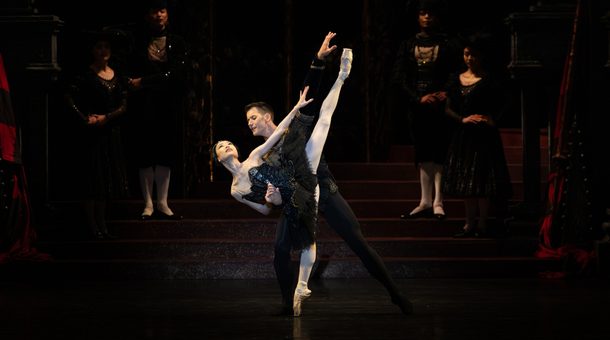
WATCH: Black Swan pas de deux from Swan Lake (Act III)

WATCH: Carlos Acosta on why pointe shoes matter
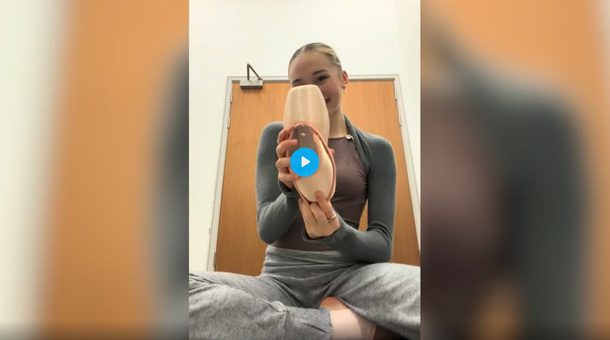
WATCH: dancer Yasemin Kayabay prepares her pointe shoes (ASMR)

WATCH: audiences react to Swan Lake

WATCH: Swan Lake Performance Trailer

Swan Lake: first look
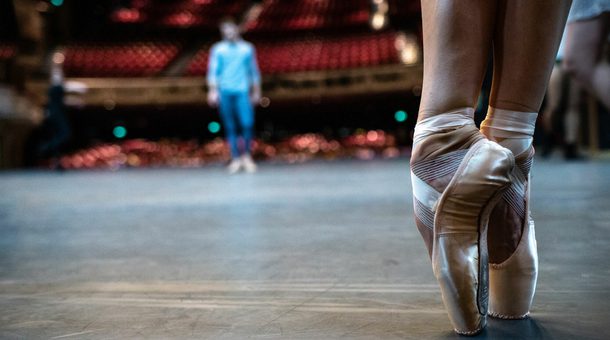
Behind the pointe shoes: a day with Footwear Supervisor Michael Clifford

The Jerwood Centre: the strength behind every step in Swan Lake
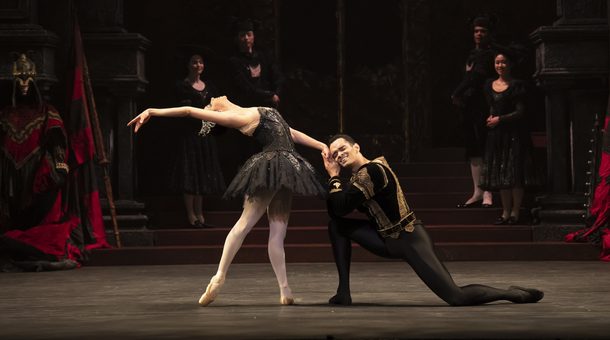
WATCH: Swan Lake Act III coda in rehearsal
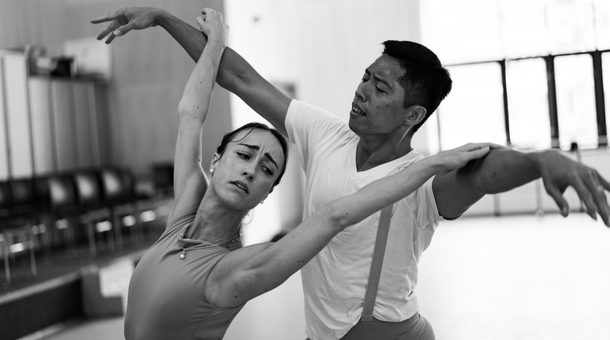
Swan Lake: rehearsal photo gallery