Behind the pointe shoes: a day with Footwear Supervisor Michael Clifford
News & Stories 19 Sept 2026News Story
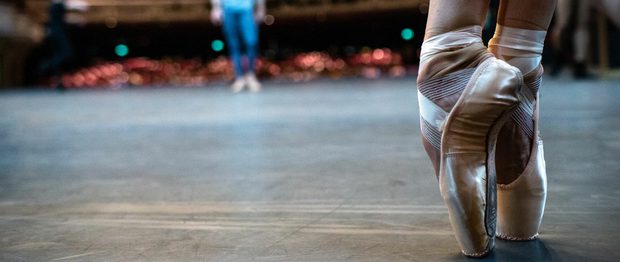
With Swan Lake opening this week, Footwear Supervisor Michael Clifford is busy behind the scenes, preparing everything from pointe shoes to theatrical footwear for the Company’s dancers. Here, Michael takes us through a typical day in the footwear department and explains why the support of our Pointe Shoe Appeal is so important.
A day in the footwear department with Michael Clifford
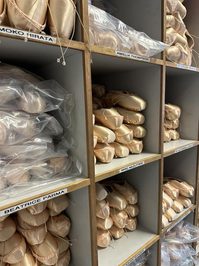
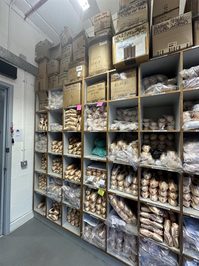
With Swan Lake fast approaching, there’s a lot to keep me busy in the footwear department. At the moment, I’m trying to get the stock levels up, because the dancers are going through a lot of shoes and we still have fixed-term contract dancers arriving. Keeping everything stocked for Swan Lake, The Nutcracker and into next year will be a challenge, so I’m putting a lot of orders in. I’m already thinking ahead to January and February and getting that stock in. I already feel like I’m in January 2027!
Alongside the stock, I’m preparing all the theatrical footwear for Swan Lake. I’m checking everything in, labelling it and looking at what needs repairing. Some of the footwear dates back to the original production from 1981, so there’s quite a history in some of the pieces I’m working on. It’s about getting everything repaired and making sure it’s ready to go on stage.
I’m also helping some of the new male dancers get used to wearing ballet boots for the first time. I’ve been giving them the boots to wear in class first, so they can get comfortable in them before they have to perform. Then there are all the little jobs that come up along the way. At the moment, I’m painting triangles on shoes for the Neapolitan Dance, too.
So, my days are a bit of everything, all at once. I’m constantly bouncing between the stock room and the workroom and dealing with whatever comes through the door. I recently had a fitting for a new boy who had just walked through the door. When it’s so close to opening, that can be quite nerve-racking, especially when you’re hoping he can fit into something from the skip because there’s so little time to get something made.
For me, a big priority at the moment is making sure we have enough stock to meet the demands of the season. Some of the ladies are getting through up to ten pairs of pointe shoes a month, which is their general allowance.
Preparing for the first stage call
Once we reach opening week, my work changes again. The first thing I’ll look at is the dressing room list, so I can work out which rooms belong to the ladies and make sure they have the shellac they need to harden their shoes. Then I’ll work through the men’s footwear, separating everything by character. I start with Act I and go through the cast sheets so I know exactly what needs to go where. Then I lay everything out for everyone.
The stage calls at the beginning can make things particularly busy because the casting isn’t always the same as it will be for the first week of performances. That means I’ll have to move things around depending on who is dancing. I’ll work through each act and go around with my big blue trolley, which holds large laundry baskets full of shoes, putting everything into the correct dressing room. I just hope nobody decides to change rooms!
Once I’ve done the men, I’ll do the same for the women. Then, when everything is in place, I wait for the first stage call and deal with whatever problems arise. It might be a minor repair, or it could mean getting someone into a different pair of shoes or boots because they’ve had to step into a role at the last minute.
There can be injuries or sickness, so I always need to be prepared for the unexpected. I don’t really relax until opening night is over. After that, you get into a rhythm. With all the stage calls leading up to opening night, it can feel like we’ve already done several double shows. Swan Lake is a relatively short performance period compared with some productions, but it’s a lot of work packed into three weeks.
Help keep our dancers on their toes
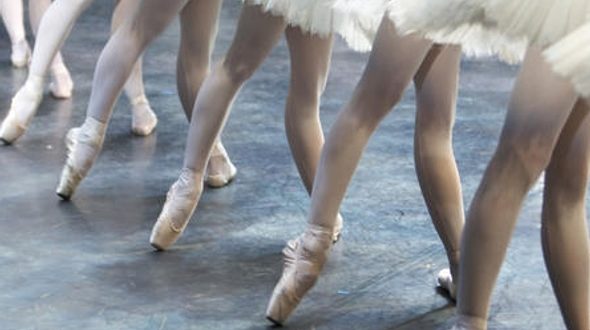
Swan Lake is one of ballet’s most demanding productions, particularly for the lower legs. Dancers go through countless pairs of pointe shoes during rehearsals and performances, often wearing through a couple of pairs in a single show. Your support helps provide the shoes they need to perform at their best, stay safe and bring this iconic ballet to life.
The perfect pointe shoe
For the women, finding the right pointe shoe is an ongoing process. We’ve had lots of fittings recently, particularly with Freed, who are based here in the UK and come up to visit us for fittings every year. If a dancer is having a problem with their shoes, they can discuss it with myself and the fitters, and together we can work to find a solution.
Even when a dancer stays with the same maker, there’s a lot of fine-tuning involved as the maker changes and the dancer’s feet change over time. We have one dancer changing maker at the moment, so she’s going through the sampling process while still having to continue dancing. There’s a bit of an overlap while we find the right shoe. We’ve done the same with Bloch, too. It’s essentially a continuous process of fine-tuning and adapting to the individual dancer.
When a dancer joins the Company straight out of ballet school, they will often continue wearing the same shoes they used as a student. But they can find that what worked at school isn’t necessarily suitable for the demands of professional life, particularly when they’re dancing in the corps de ballet.
At school, they might have chosen a harder shoe because they wanted it to last longer, especially if they were paying for their own shoes. As a professional, though, they may find that the same shoe is too hard for the work they need to do. They often need a shoe that breaks in more quickly and reaches the condition they need sooner, so that it can keep up with the pace and number of performances.
You might think that a harder shoe would make more financial sense because it should last longer, but it’s critical that dancers have the right shoes for the work they’re doing. There are health and safety implications if they don’t.
That’s why members of the physiotherapy team join us for fittings. They can help us consider things such as the dancer’s foot strength and flexibility, any weaknesses they might have, or whether they’re prone to particular injuries. Their input can help us identify potential risks and make more appropriate, individualised adjustments.
Making every pair count
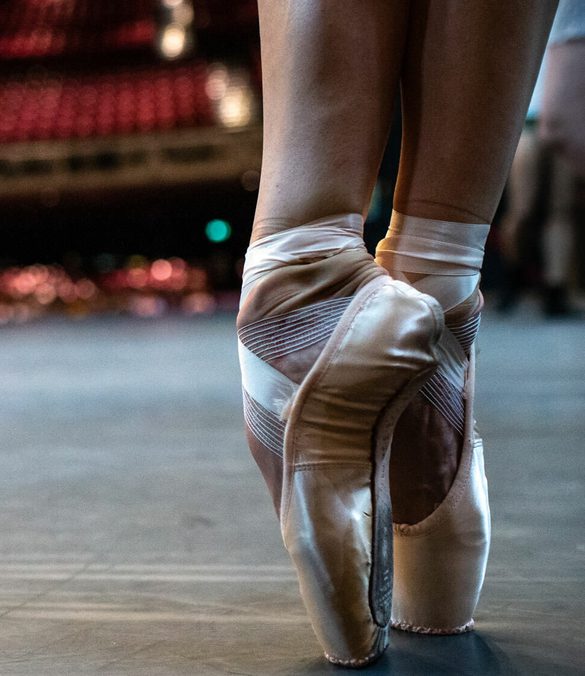
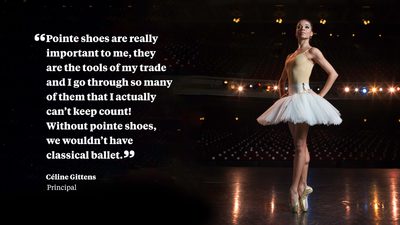
People can be surprised when they hear that dancers can use up to ten pairs of pointe shoes a month. But the shoes aren’t just being worn on stage. The dancers wear them for class, rehearsals and performances, so they’re being used constantly. Without pointe shoes, the women can’t do their job.
Performing alone means being on pointe at least five times a week, so for some dancers, ten pairs a month can be a ration. And the dancers here are incredibly good at making their shoes last. They don’t waste them. If a dancer doesn’t need all ten pairs in one month, they’ll save them for later. When they find a pair that works particularly well, they’ll make it last as long as possible and wear it for everything they can.
Even so, a shoe can sometimes last for just one act. A Principal might go through several pairs in a single performance. That shows just how much the dancers are asking of their shoes, and how carefully they have to manage them.
There’s also the fact that most of the pointe shoes are the classic pink satin shoes. They can get dirty very quickly on stage, and once they’re too marked or worn, they may no longer be suitable for performance.
That’s why the support we receive through the Pointe Shoe Appeal is so important. Every donation helps us provide the shoes our dancers need to train, rehearse and perform. It has a real impact on the work we do in the footwear department, and ultimately on the dancers themselves.
Find out more about Swan Lake

Celebrating 100 years of The Royal Ballet School
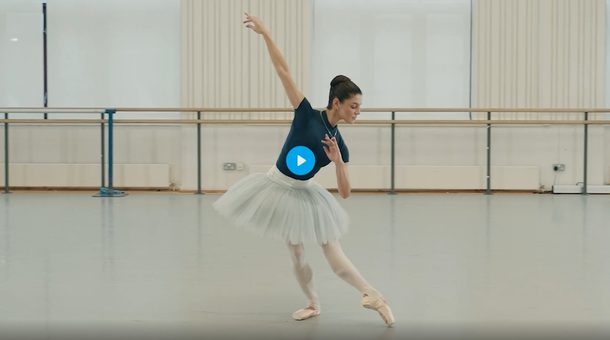
WATCH: Sofia Liñares rehearses the Sugar Plum Fairy solo

The Maiden of Venice: first look

223 Pointes: the pointe shoe swan sculpture inspired by BRB's Swan Lake
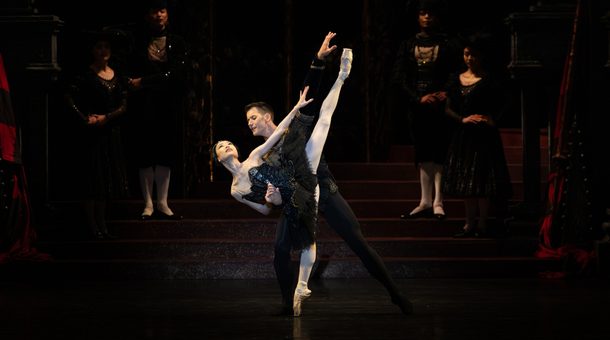
WATCH: Black Swan pas de deux from Swan Lake (Act III)
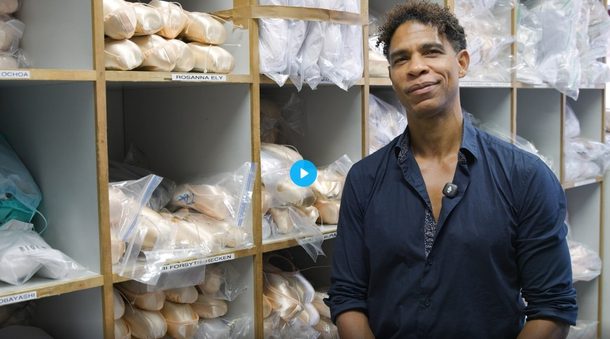
WATCH: Carlos Acosta on why pointe shoes matter
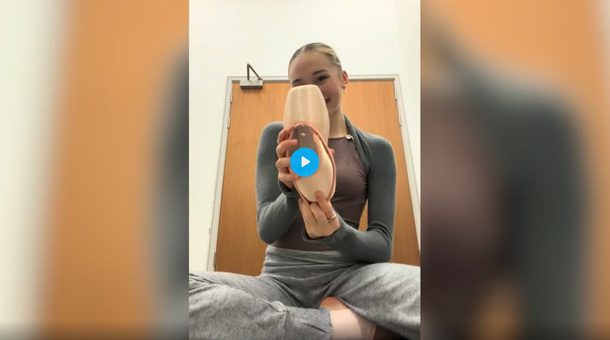
WATCH: dancer Yasemin Kayabay prepares her pointe shoes (ASMR)

WATCH: audiences react to Swan Lake

WATCH: Swan Lake Performance Trailer

The Nutcracker 2026 Principal Casting announced

Swan Lake: first look
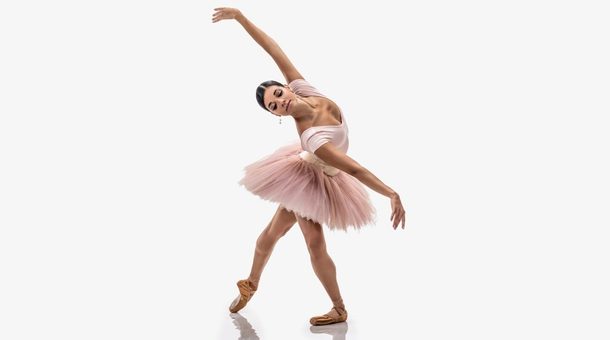
WATCH: Principal Dancer Céline Gittens on the importance of pointe shoes
