News Story
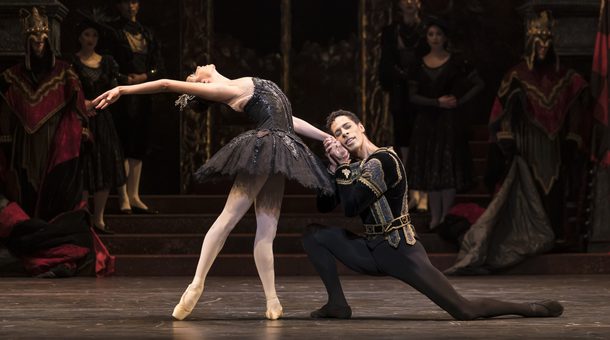
Sir Peter Wright is BRB’s Founding Director Laureate and an integral part of the Company’s history. He served as Director from 1977 to 1995 and oversaw the move from London to Birmingham in 1990, changing the Company’s name from Sadler’s Wells Royal Ballet to Birmingham Royal Ballet. He is one of Britain's most influential ballet directors and choreographers, having created productions of classical ballets that continue to define the repertory of many world-class companies today.
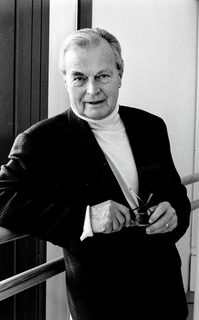
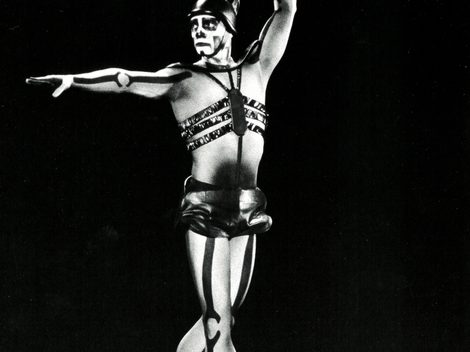
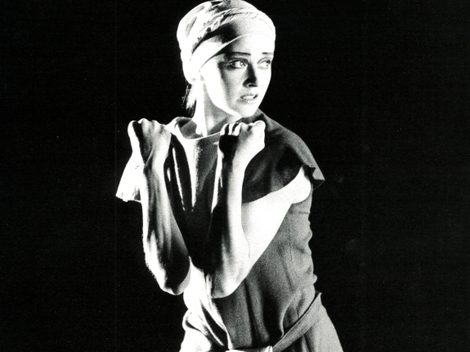
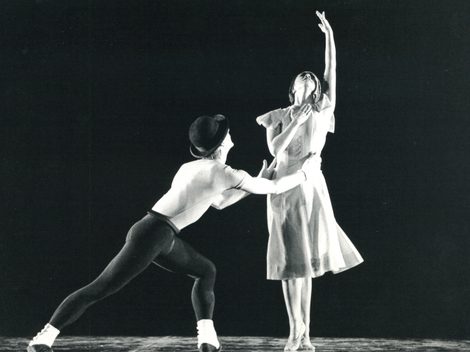
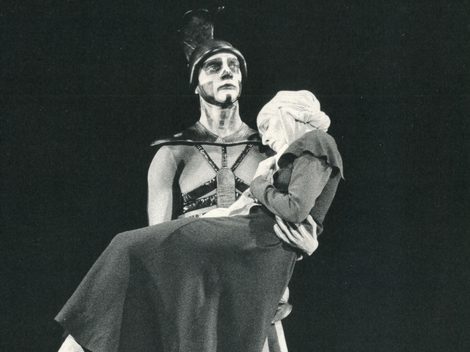
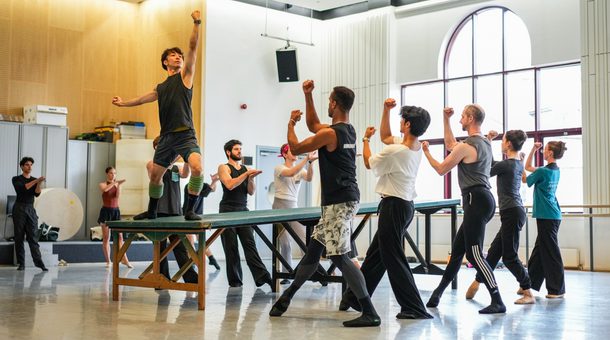
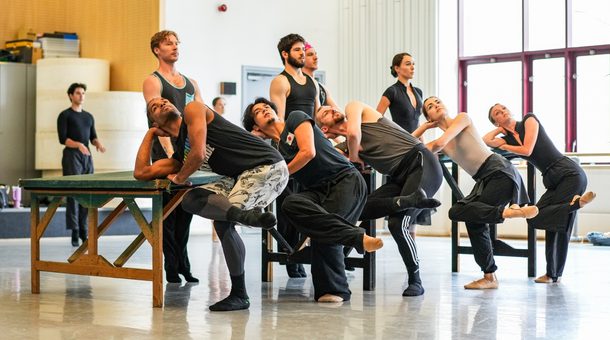
One of his favourite ballets and one that holds special meaning for him is Kurt Jooss’s The Green Table. The Green Table is a ballet about the futility of war and the failure of political diplomacy: a bold yet highly appropriate statement, and the work for which Jooss is best known. Read more about The Green Table here.
Sir Peter was a student at Bedales School, receiving a conventional education. His path changed in the summer of 1943 when his mother took him to see Les Sylphides performed by the International Ballet. Deeply inspired by the performance, he decided to pursue dance as a career.
He auditioned for Dame Ninette de Valois' school (now The Royal Ballet School) but was rejected. Through his school music teacher, Harry Platts – who had previously worked as a rehearsal pianist for Jooss’s dance school at Dartington Hall in Devon – Sir Peter was introduced to Jooss. Platts advised that Ballet Jooss would be particularly suitable for him as a late starter, given its emphasis on dramatic and modern dance rather than classical ballet.
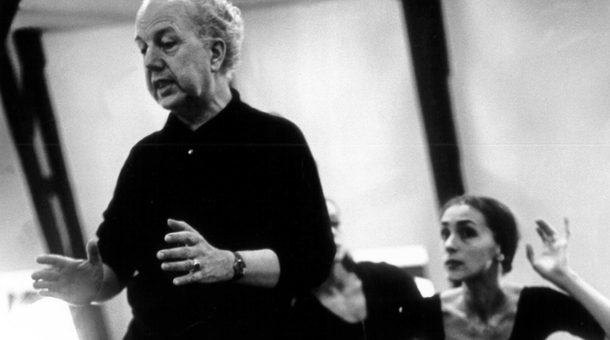
After an initial meeting, Jooss asked Sir Peter to audition, despite him having had no formal dance training or experience. He was subsequently invited to join Jooss and his company on a 35-week tour in 1943 as an apprentice, shortly after his audition. Despite initial resistance from his father, an accountant and devout Quaker who disapproved of his only son entering the dance profession, permission was eventually granted after a conversation with Jooss. In his autobiography, Wrights and Wrongs, Sir Peter later reflects on the profound impact of Jooss’s support in shaping his career.
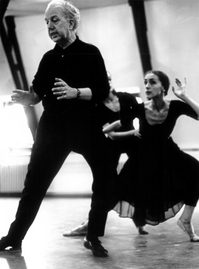
To support himself financially, Sir Peter worked with the stage management team on tour – acting as a call boy, operating the follow spot, and helping to unload large trunks of costumes and scenery – before making his onstage debut as a soldier in The Green Table.
Sir Peter later went on to train in classical ballet with Vera Volkova, but he describes Jooss as ‘an amazing man,’ from whom he ‘did much to make the most of the training he and his staff were providing.’ He also credits Jooss with shaping his understanding of choreography: he learned that movement for its own sake has no importance, that one must have something to communicate when performing for an audience, and that choreography is as much about ideas as it is about steps.
Image gallery
Open an image gallery
Open an image gallery
The Green Table is supported by donations from Mr Stuart Sweeney and Fern & Clive Potter.
Find out more...
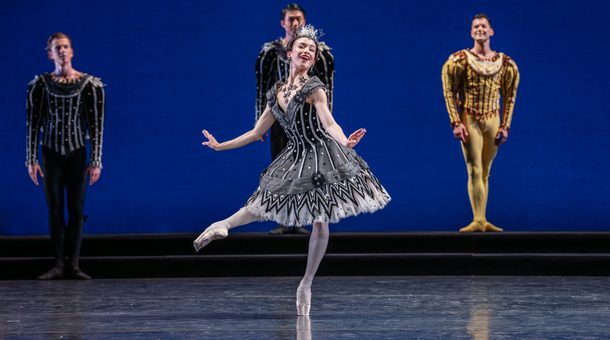
20th-Century Masterpieces: performance photo gallery
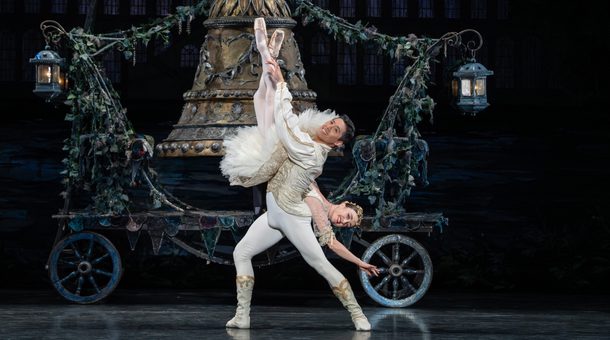
Sir Peter Wright Centenary: performance photo gallery
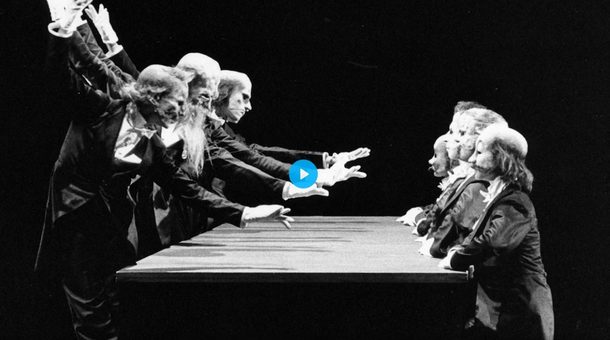
WATCH: Guest Répétiteur Jeanette Vondersaar on The Green Table
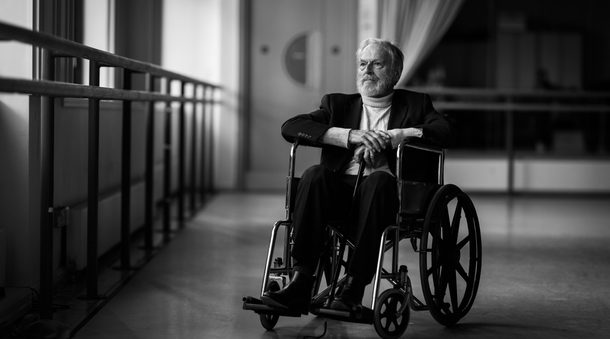
WATCH: Sir Peter Wright on the move to Birmingham
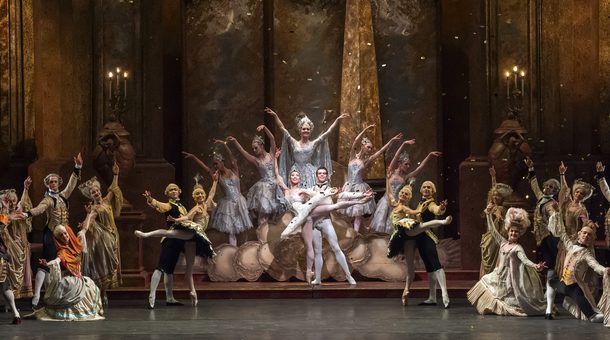
Sir Peter Wright Centenary: Sleeping Beauty photo gallery
The Green Table: the story of Kurt Jooss and Ballets Jooss
Sir Peter Wright Centenary: Swan Lake photo gallery
WATCH: The Green Table rehearsal video
The Green Table: rehearsal photo gallery
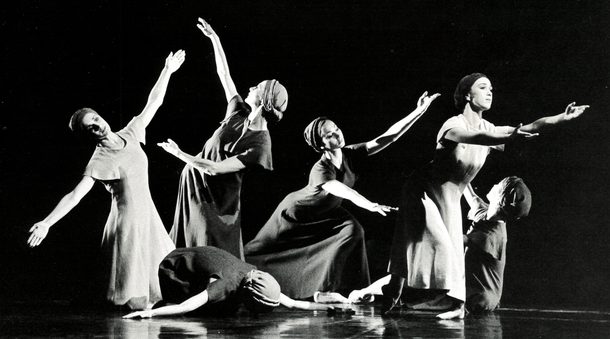
The Green Table: 1990s archive photo gallery
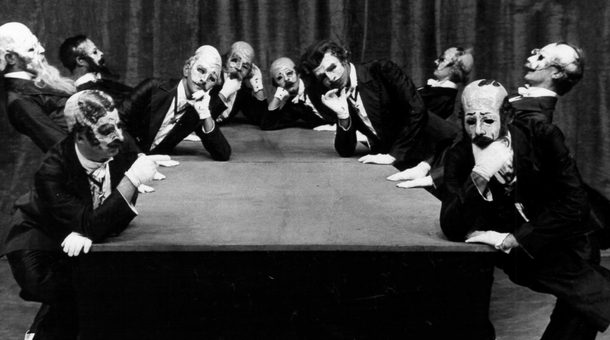
Introducing The Green Table
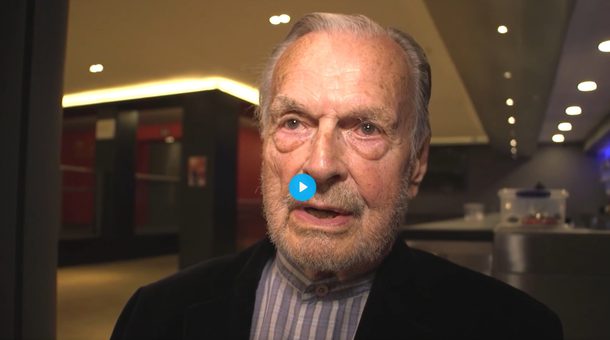
WATCH: Sir Peter Wright on Carlos Acosta's Don Quixote