News Story
Theme and Variations is one of the best-known ballets choreographed by the man recognised as the father of American ballet – George Balanchine.
The Georgian-American choreographer founded New York City Ballet, and is one of the most influential ballet figures of the 20th century.
Image gallery
A gallery slider
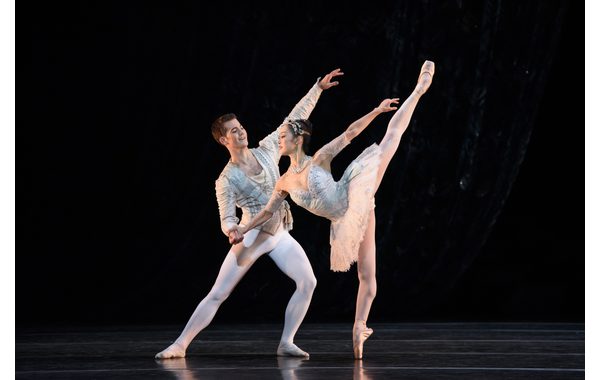
Nao Sakuma and Mathias Dingman in Theme and Variations.
© 2015 Credit : Bill Cooper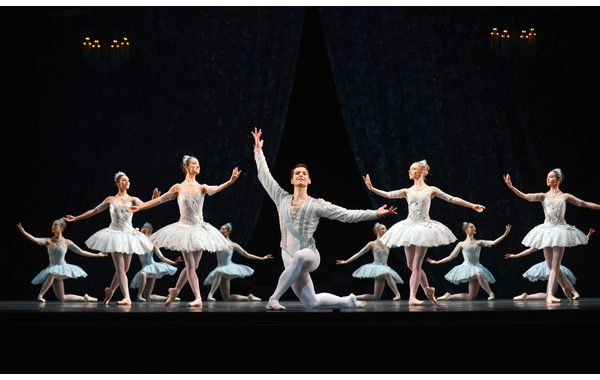
Mathias Dingman and Artists of Birmingham Royal Ballet in Theme and Variations.
© 2015 Credit : Roy Smiljanic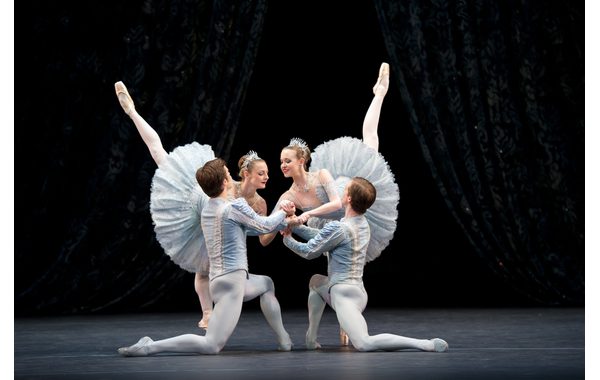
Laura-Jane Gibson, Nicki Moffatt, Oliver Till and James Barton in Theme and Variations.
© 2010 Credit : Bill Cooper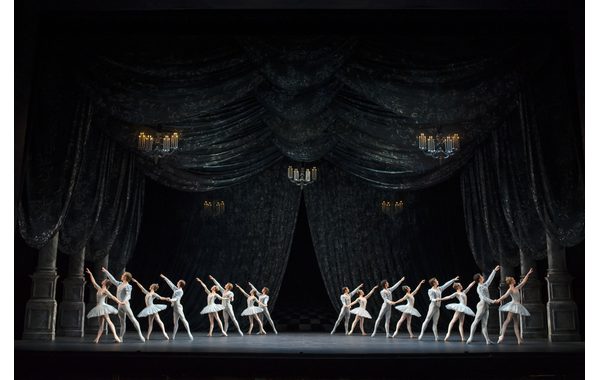
Artists of Birmingham Royal Ballet in Theme and Variations.
© 2010 Credit : Bill Cooper
Nao Sakuma and Mathias Dingman in Theme and Variations.
© 2015 Credit : Roy Smiljanic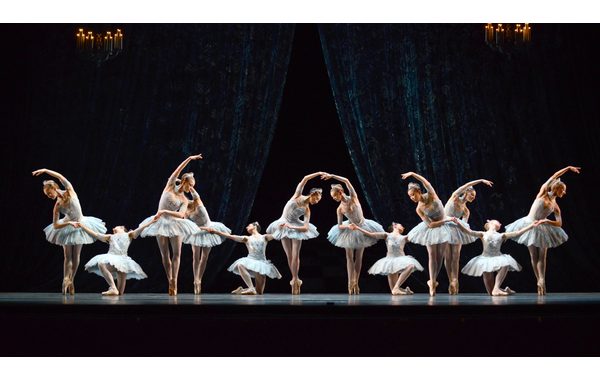
Artists of Birmingham Royal Ballet in Theme and Variations.
© 2015 Credit : Roy SmiljanicChoreographed in 1947, this one-act ballet was inspired by the music of Russian composer Pyotr Ilyich Tchaikovsky.
The ballet opens with a corps de ballet of 12 women alongside a principal couple. As it unfolds, the choreography moves through a series of variations, weaving together solo performances from the ballerina and her partner with ensemble sections for the corps de ballet. In keeping with classical tradition, the work features a central pas de deux, before building to a grand polonaise that brings all 26 dancers together for a vibrant and climatic finale.
Balanchine said the ballet was intended ‘to evoke that great period in classical dancing when Russian ballet flourished with the aid of Tchaikovsky’s music’.*
*The George Balanchine Trust, 2025
Find out more...
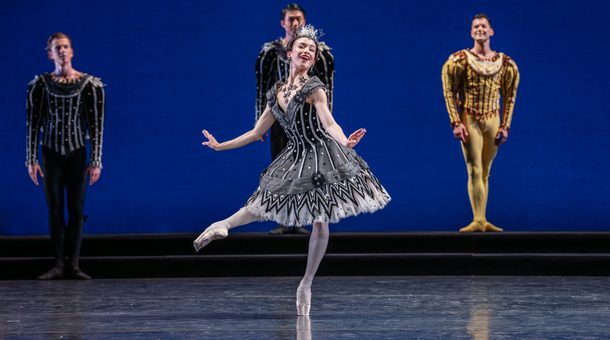
20th-Century Masterpieces: performance photo gallery
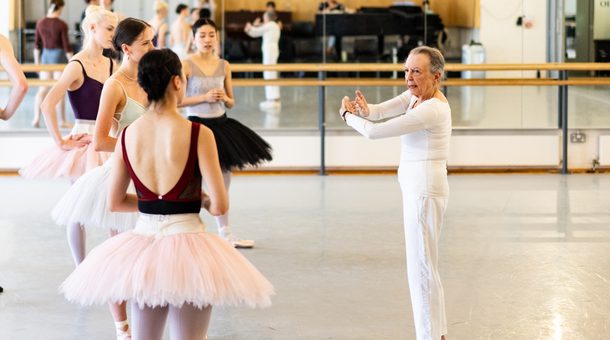
WATCH: Guest Répétiteur Victoria Simon on George Balanchine's Theme and Variations
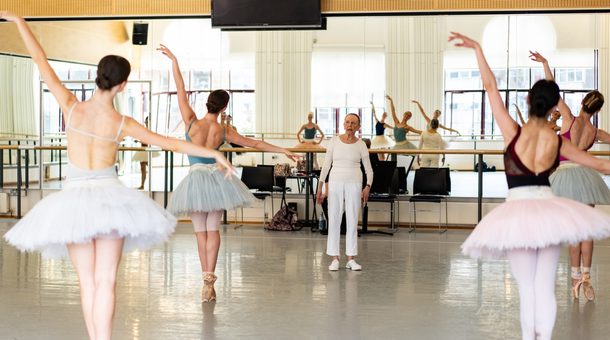
Theme and Variations: rehearsal photo gallery
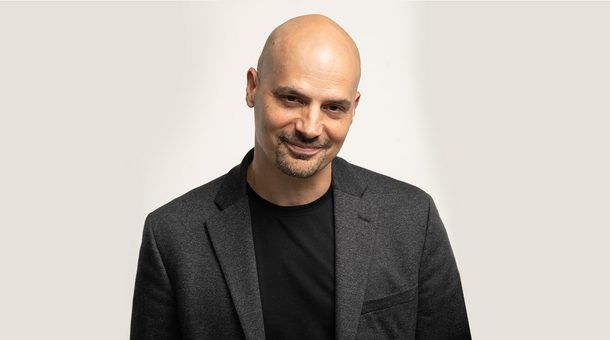
Assistant Director Dominic Antonucci on George Balanchine's Theme and Variations: a full-circle journey

Theme and Variations: performance photo gallery
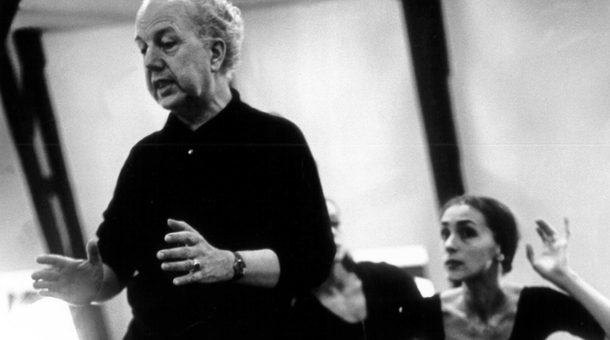
The Green Table: the story of Kurt Jooss and Ballets Jooss
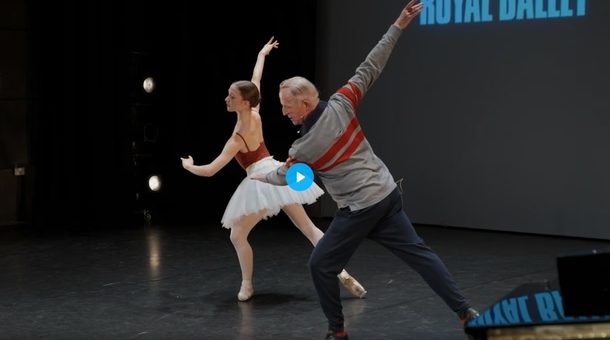
WATCH: Birthday Offering Masterclass Part 2
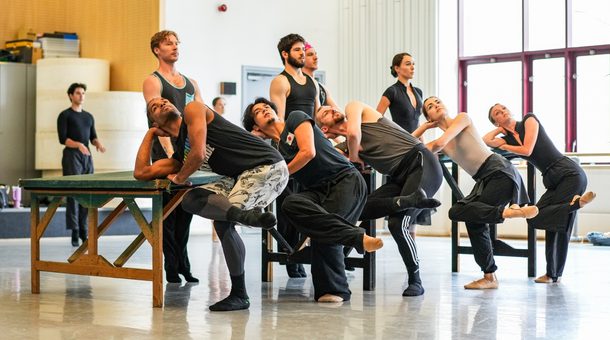
The Green Table: rehearsal photo gallery
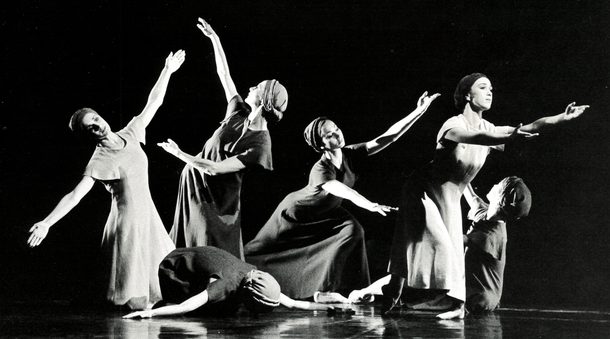
The Green Table: 1990s archive photo gallery
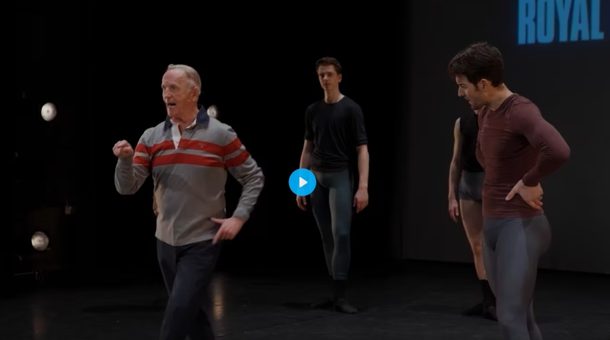
WATCH: Birthday Offering Masterclass Part 1
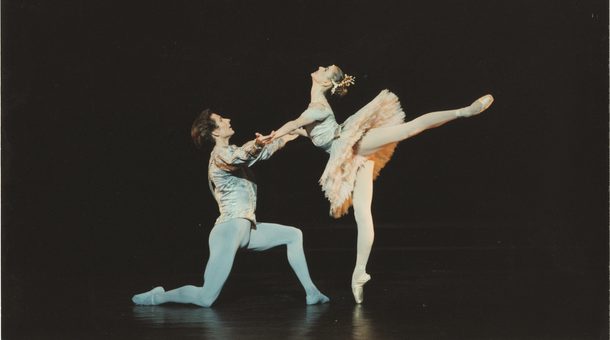
Introducing Birthday Offering by Frederick Ashton
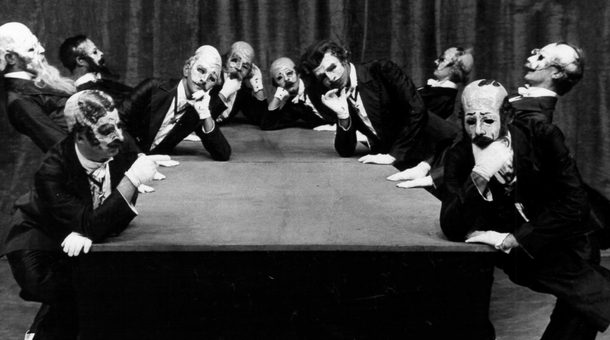
Introducing The Green Table