Assistant Director Dominic Antonucci on George Balanchine's Theme and Variations: a full-circle journey
News & Stories 3 Jun 2026News Story
Assistant Director Dominic Antonucci talks to us about George Balanchine’s Theme and Variations, reflecting on his experience both performing in the ballet as a dancer and overseeing its production as Ballet Master and now as Assistant Director. The one-act ballet has revisited BRB’s repertory multiple times since its premiere at Birmingham Hippodrome in 1988.
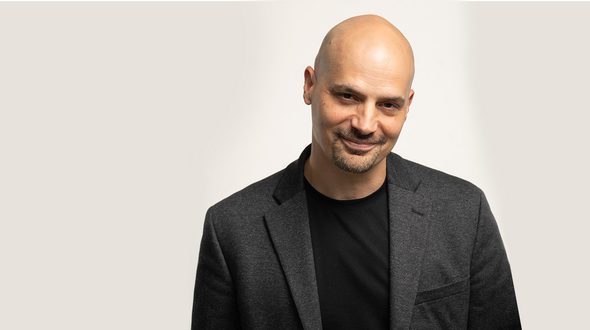
My relationship with Theme and Variations began long before I ever danced a step of it. My first job was at New York City Ballet while I was a student at the School of American Ballet. For $40 a week, I worked as the flower boy, dressed in a tuxedo and presenting flowers to the ballerina at the end of each performance. I spent every evening in the theatre for three years, watching New York City Ballet perform, and Theme and Variations quickly became one of my favourite ballets. As a young male dancer, I was naturally inspired by the Principal men and measured them through this role. Additionally, I was completely captivated by Tchaikovsky’s score – even at 15 or 16 years old, when you’d typically expect musical appreciation of that kind to develop later. To this day, hearing that music sends chills down my spine.
My first experience of Theme and Variations was seeing it performed by the company on which it was created. Then, when I joined American Ballet Theatre in 1991, it became one of the first ballets I performed. It was regularly in the repertory, and during my first season I danced it all over the world, from Paris and Copenhagen to Japan. When I arrived at Birmingham Royal Ballet in 1994 as a 20-year-old Soloist, it was one of the first major opportunities I was given. I danced every male role in the ballet, from the corps de ballet and demi-soloist parts through to the principal role.
Looking back now, I don’t think I was ready to dance the principal male role when I first performed it at BRB. Physically, I could do it, but artistically I wasn’t mature enough to fully understand what the role required. It’s something I reflect on often in my role as Assistant Director when Carlos and I are considering opportunities for younger dancers. Sometimes a dancer is capable of performing a role, but that doesn’t necessarily mean they’re ready for everything that comes with it. After those performances, everyone was incredibly complimentary and supportive. They were right to say I’d done well for a 20-year-old Soloist, but I didn’t want to be judged as a promising young dancer. I wanted to be the complete artist. Ironically, those performances turned out to be the last time I performed Theme and Variations myself.
Image gallery
A gallery slider

Dominic performing in Balanchine's Serenade with Gaylene Cummerfield, Ambra Vallo and Natasha Oughtred. Choreography by George Balanchine © The George Balanchine Trust
© 2009 Credit : Roy Smiljanic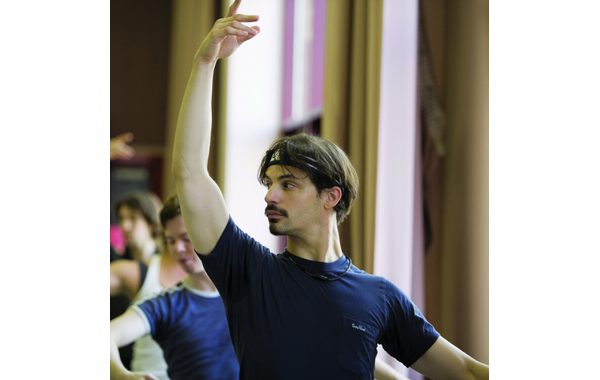
Dominic in ballet class.
© 2007 Credit : Andrew Ross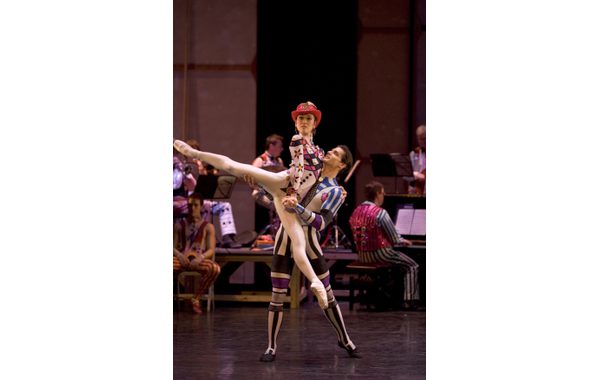
Dominic and Nao Sakuma performing 'Bethena Concert Waltz' in Elite Syncopations.
© 2005 Credit : Bill Cooper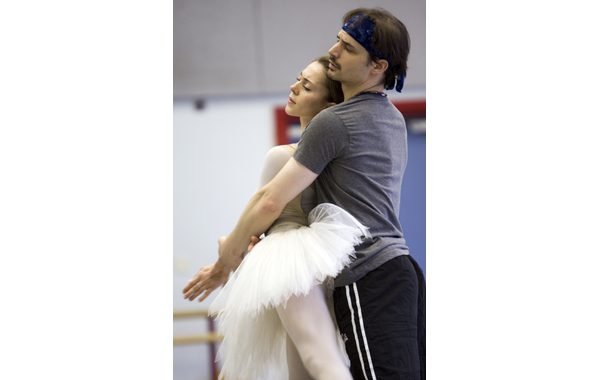
Dominic and Ambra Vallo rehearsing Swan Lake.
© 2008 Credit : Andrew Ross
Dominic as Drosselmeyer and Lei Zhao as Clara in The Nutcracker.
© 2007 Credit : Roy SmiljanicThe next time the ballet returned to the repertory, I was Ballet Master, rehearsing it. Now, as Assistant Director, I’m seeing it from yet another perspective. I’ve experienced Theme and Variations as a student watching from the back of the theatre, as a corps de ballet dancer, as a Soloist performing the principal male role, as Ballet Master and now as Assistant Director overseeing casting and rehearsals. It really has been a full-circle journey.
It’s also been wonderful to work again with Victoria Simon, Répétiteur from The George Balanchine Trust, who is here to stage the ballet. She has worked on several Balanchine productions at BRB over the years and brings an extraordinary depth of knowledge. Watching her in rehearsal has reminded me of the particularities of the Balanchine style and what makes it so distinctive.
When I first came to BRB, Theme and Variations was staged by Desmond Kelly, who had danced the ballet himself, and his coaching left a lasting impression on me. Seeing Victoria set the work now has brought many of those memories flooding back. There are so many details that make the style unique: movements led through the elbows, a greater emphasis on the crossing of the legs, and the distinctive use of the arms in pirouettes and elongated back leg in fourth position when taking off into them. These may seem like small details, but they completely change the look and feel of the movement.
The dancers are working hard to adapt to those stylistic demands, particularly the men, and it’s fascinating to watch them absorb a movement language that differs so greatly to what they’re used to, and from the Ashton style seen in Birthday Offering, which we’re also working on at the moment. Having someone from The Balanchine Trust in the studio, with a direct connection to the choreographer himself, offers the most valuable insight into how these ballets were intended to be performed.
What excites me most about this programme is the opportunity to see three masterpieces side by side. The Green Table is completely different in style and intent, with its powerful narrative and distinctive Jooss language. Then you have Birthday Offering and Theme and Variations, two extraordinary examples of classical choreography by Ashton and Balanchine. Watching them together is fascinating because both choreographers were pushing dancers into technical and artistic territory that hadn’t really been explored before. Every step has purpose. Every challenge feels intentional. When I look at Birthday Offering, I often wonder how Ashton even imagined some of those demands, because they still feel fresh and difficult today. The same can be said of Balanchine. Both works showcase choreographers striving for something beyond what was currently possible, and that’s part of what makes them masterpieces. To have them alongside The Green Table creates a programme full of contrast, history and extraordinary artistry. I hope audiences enjoy experiencing these remarkable works as much as we are enjoying bringing them to life.
Find out more about 20th-Century Masterpieces
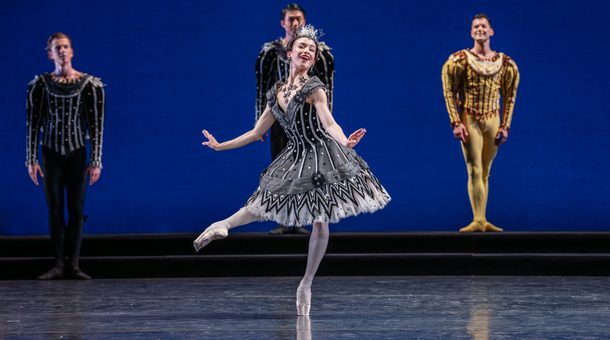
20th-Century Masterpieces: performance photo gallery
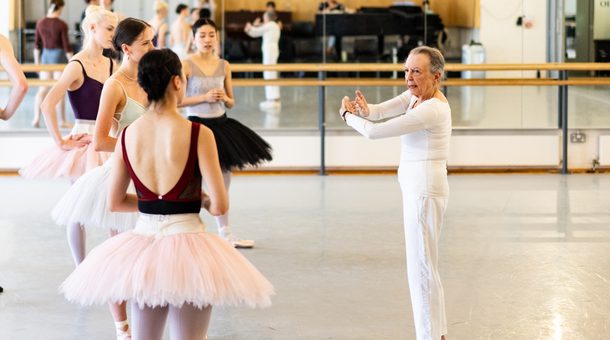
WATCH: Guest Répétiteur Victoria Simon on George Balanchine's Theme and Variations
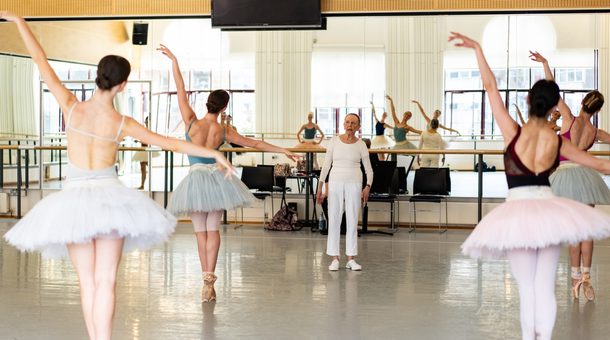
Theme and Variations: rehearsal photo gallery

Theme and Variations: performance photo gallery
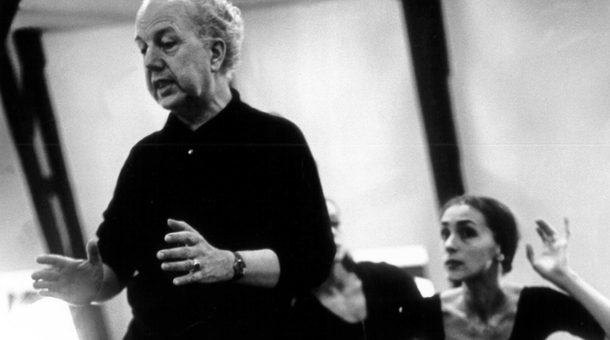
The Green Table: the story of Kurt Jooss and Ballets Jooss
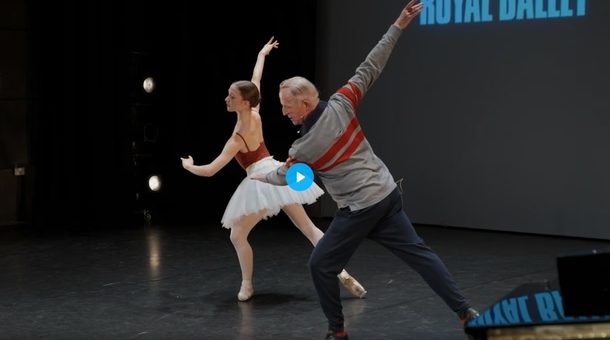
WATCH: Birthday Offering Masterclass Part 2
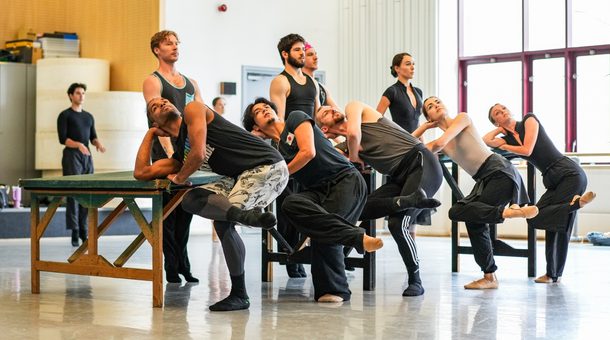
The Green Table: rehearsal photo gallery
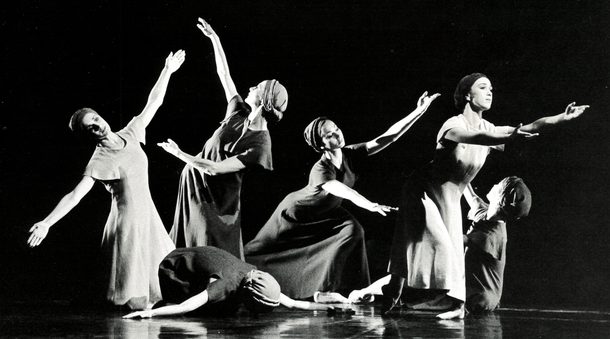
The Green Table: 1990s archive photo gallery
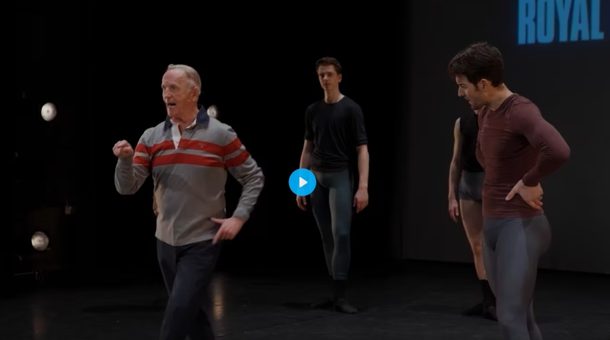
WATCH: Birthday Offering Masterclass Part 1
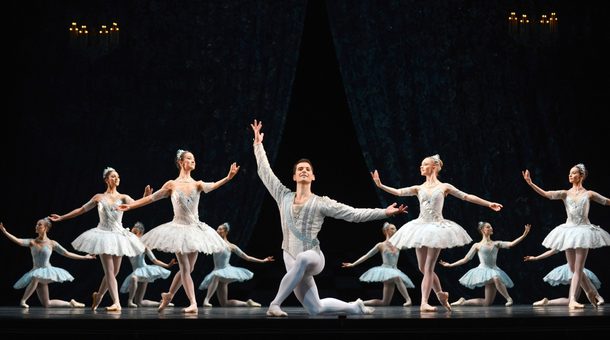
Introducing Theme and Variations by George Balanchine
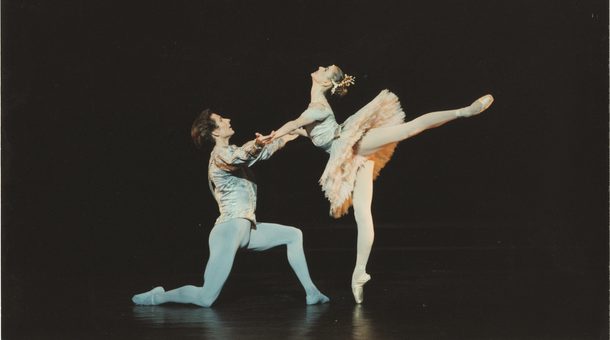
Introducing Birthday Offering by Frederick Ashton
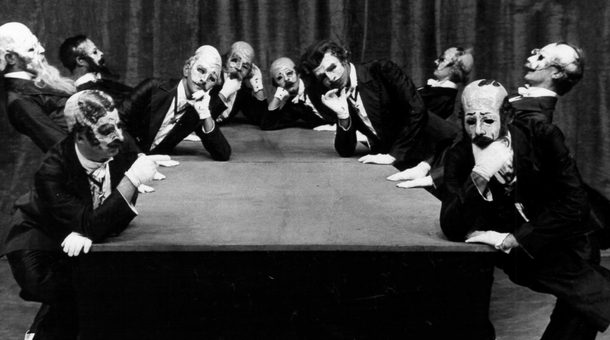
Introducing The Green Table


