News Story
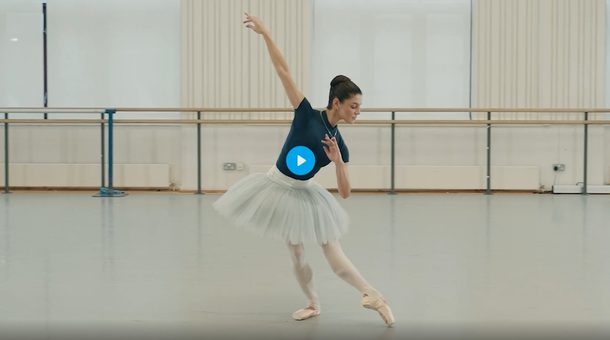
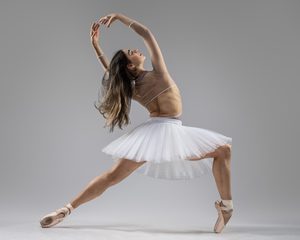
What can we all learn from the habits and mindset of a professional ballet dancer? From building a routine and protecting your sleep to managing comparison and finding balance, Matilde Rodrigues shares the lessons that help her perform at her best – and live well outside the studio.
Build a routine that works for you
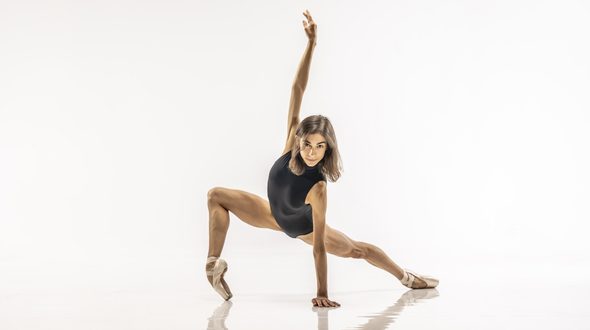
Having a routine is really important to me. When you have a structure in place, decision-making becomes easier and you’re less likely to procrastinate. Everything is more organised, which can help you feel less overwhelmed. It can be as simple as knowing what your morning looks like or having a plan for the day. Without that structure, it’s very easy to reach for your phone and suddenly find that two hours have disappeared to scrolling. One thing I’m still working on myself is resisting the urge to 'rest' with my phone. The problem is that scrolling isn’t really rest. Your mind is still consuming huge amounts of information, often at an incredibly fast pace, through short-form content. That constant stimulation can leave you feeling tired and overwhelmed rather than refreshed.
Make space to truly switch off
Social media has increasingly made me feel anxious and unsettled. It can ignite comparison, particularly because so much of what we see is carefully curated: people appearing to be productive all the time, looking perfect, dancing perfectly and living seemingly perfect lives. Rationally, we know that real life isn’t like that. But that doesn’t mean we’re immune to comparing ourselves to what we see online, or feeling as though we’re not doing enough. That’s why I try to spend less time on social media and find other ways to relax – reading a book, going for a walk, cooking, spending time with friends or doing something I’m genuinely interested in. We live in a world of instant gratification. With just a few taps on our phones, we can have food delivered to our door, entertainment immediately available and almost any piece of information at our fingertips. Life has never been more convenient, but I think there’s something valuable about slowing down, too. In the past, things took time to make, create and achieve. There was more opportunity for long-term gratification and being fully immersed in the moment. Today, it’s very easy to slip into habits that keep us constantly stimulated. Even when we’re with other people, our phones can take up a significant part of our attention. So, staying present is something I remind myself of regularly.
Protect your sleep
I’ve worked hard to change my phone habits, particularly around the beginning and end of my day. When I wake up, I read and pray rather than immediately reaching for my phone. Before bed, I put it down at least an hour before I go to sleep. I also try to create an environment that tells my body it’s time to wind down. I dim the lights, switch to a warm lamp light and quiet everything down. Sleep is such an important part of performing at your best and feeling your best. Giving yourself the chance to properly switch off is just as important as everything you do during the day.
Remember that balance matters
Maintaining balance is incredibly important, and that applies to everything. Working hard matters, but so does finding time to rest, recover and do the things you enjoy. We’re humans, not machines. We need balance for our health and wellbeing, and ultimately, it helps us perform better at whatever we do. For me, that means making a conscious effort to do things away from my phone. Read a book. Go for a walk. Cook a nice meal. Spend time with friends. Pick up a hobby. You might be surprised by how much better you feel after doing something meaningful, even if it’s something active, compared with spending that same time scrolling through social media.
Choose discipline over motivation
Discipline is important when it comes to creating and maintaining healthy habits. You can’t rely entirely on motivation because motivation will inevitably come and go. Discipline is what helps you meet your needs, treat yourself well and create genuine freedom in your life. When you have discipline, you’re more in control of how you live rather than allowing your habits, your environment or your impulses to control you. I also think the way you treat one area of your life can reflect how you treat everything else – whether that’s the cleanliness of your home, your relationships or, most importantly, yourself.
Get your thoughts out of your head
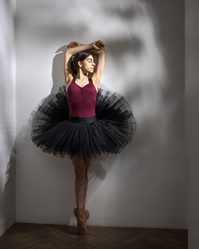
Another thing that really helps me is writing things down. Whether it’s my thoughts, a to-do list or things I need to remember, putting everything down on paper helps me organise my mind. When there are lots of thoughts competing for your attention, writing them down can make everything feel much clearer. At the start of each day, I like to make a list of what I need to do and identify my priorities. Putting the most important things at the top helps me manage my time and reduces decision fatigue. Sometimes, simply getting everything out of your head and onto paper can make a big difference.
Don’t compare your journey to someone else’s
Comparison is something I think everyone struggles with, and it can be particularly challenging for dancers. When we enter a ballet company, for example, we might aspire to be like one of the Principal dancers. It can be tempting to compare our own progress and journey with theirs, but it's important to remember every single one of us has our own journey, our own story and our own life. Everyone’s path is unique and filled with its own ups and downs, highs and lows. There’s no point comparing, although I know how easy it is to do. You also don’t know someone else’s full story. What you see is only a small part of their journey, and achieving something is rarely a straight line from A to B. Take your progress day by day, step by step. Be patient with yourself and enjoy your work. Look forward to making progress and getting one step closer to your goal. Most importantly, enjoy the process. If you have a not-so-good day, that’s OK. Everyone has those days. It’s a universal experience. Be kind to yourself and remember that one difficult day doesn’t define your journey.
Find what you love
I think one thing non-dancers can take from dancers is our passion, love and drive for what we do. That passion sustains us through pain, fatigue and the difficult days. It gives us a reason to keep going when things are challenging. Find what you love and what genuinely fulfils you, and make space for it in your life. You won’t regret it.
Remember there’s a world beyond ballet
But there’s also something I think dancers can learn from the world outside ballet: the importance of having interests beyond our work. There’s a whole world out there, full of possibilities and opportunities, but it can be very easy to become completely consumed by ballet and stay inside the ballet bubble. A dancing career also doesn’t last forever, so having other interests – and even a Plan B – is important. You don’t want to spend your whole life thinking about and doing only one thing. Ballet as a career already demands so much of our time and focus. Having something else that excites you can give you perspective, balance and a sense of identity beyond your profession.
Learn from everything
Finally, learn from everything. We can choose to see the things that happen to us as opportunities for growth – as tools that can help us better ourselves and improve our lives. Not every experience will be easy, and not every day will go to plan. But there is always something we can take from what happens to us.
Ultimately, looking after ourselves comes back to the basics: good nutrition, quality sleep, exercise, meaningful social connection, healthy habits and routines, and a sense of balance. These are the foundations that help us perform at our best, whether we’re on a ballet stage, in the office, or simply navigating everyday life.
Find out more...

The Jerwood Centre: the strength behind every step in Swan Lake

Inside BRB’s AI Nutrition Project with Clinical Director Dr Nick Allen
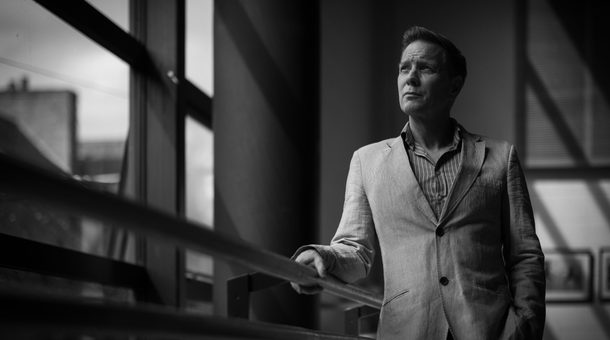
Dr Nick Allen on rest, recovery and preparing for a new season
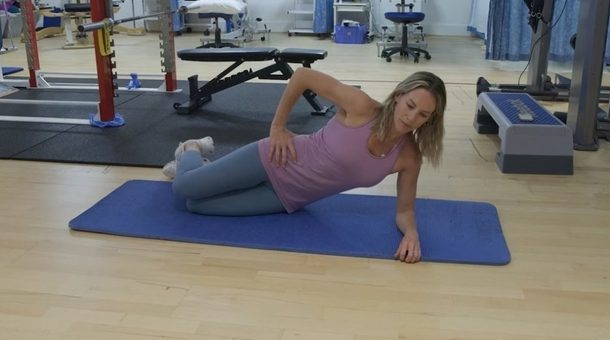
How do dancers train for Swan Lake? Rehabilitation and Conditioning Lead Esther Collacott on her go-to conditioning exercises
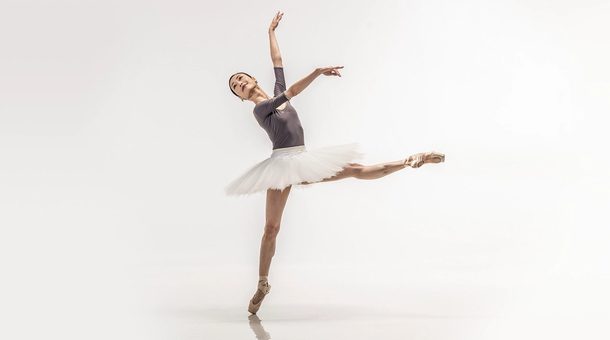
Exploring ballet's hardest moves: the 32 fouettés from Swan Lake

Dealing with injury as a ballet dancer: insights from Hannah Martin and Nick Allen
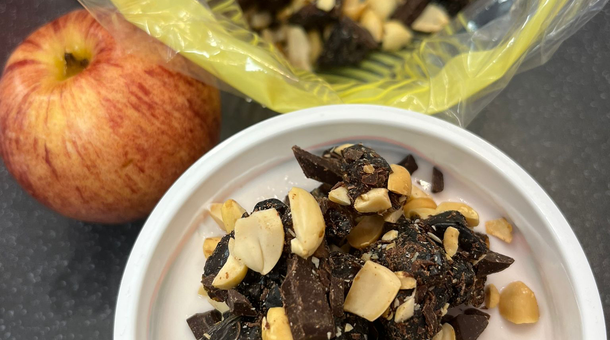
Fuel for performance: inside dancer nutrition at Birmingham Royal Ballet
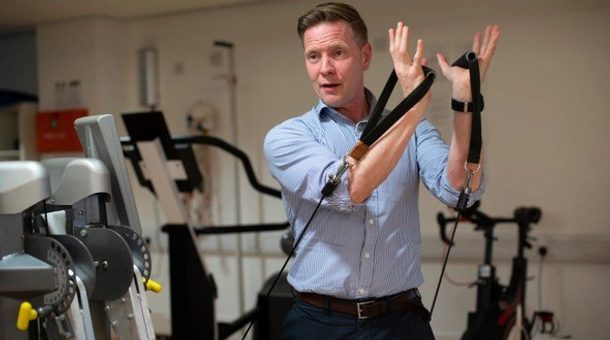
The Jerwood Centre: supporting dancers on tour

Announcing a strategic partnership with University of Birmingham
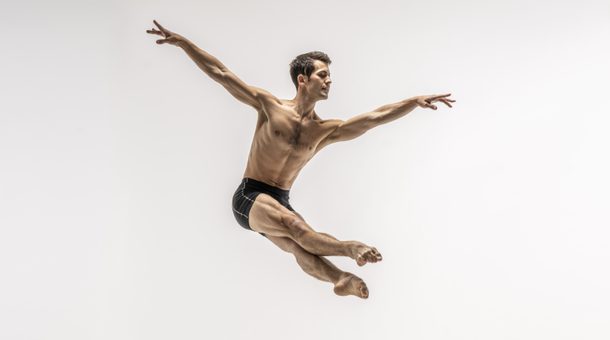
Exploring ballet's hardest moves: barrel turns

Post-performance recovery, health and self-care with Matilde Rodrigues
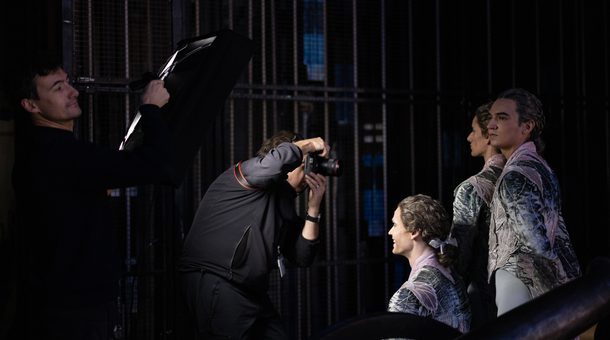
WATCH: The Silence After Applause