News Story
BRB Physiotherapist Jordan Awale explains how we prepare and care for dancers’ lower legs and feet for the physical demands of Swan Lake, and why suitable pointe shoes are so important.
Swan Lake is one of the most physically demanding ballets in our repertoire, particularly for the feet and lower legs. With its extensive pointe work, repeated jumps and multiple performances across the tour, preparing our dancers to meet those demands is a crucial part of my work as a physiotherapist.
As well as having the technical ability and endurance to deliver multiple shows, dancers need the strength, stability and power to execute the steps repeatedly throughout the run. We need to build that capacity gradually, while making sure they have enough time to recover.
Preparing for the demands of pointe work
One of the key challenges of Swan Lake is the amount of time the female dancers spend on pointe. We’ve introduced a specific Swan Lake exercise programme [see below], with exercises to build strength and stability through the feet and ankles.
We use resistance exercises on the ground and in standing, as well as ballet-specific work. For example, we do drills where dancers repeatedly bourrée* on pointe to build up their ankle strength. We also use resistance bands, jump drills and hurdle exercises to develop power and landing control.
Dancers naturally want to jump high in ballet, but the higher the jump, the better the landing has to be. Building the strength and stability to control those landings is imperative, particularly when there is a lot of jumping involved and the dancers are working in pointe shoes.
*Bourrée – to glide smoothly across the floor using rapid, tiny steps on your toes with your legs pressed tightly together
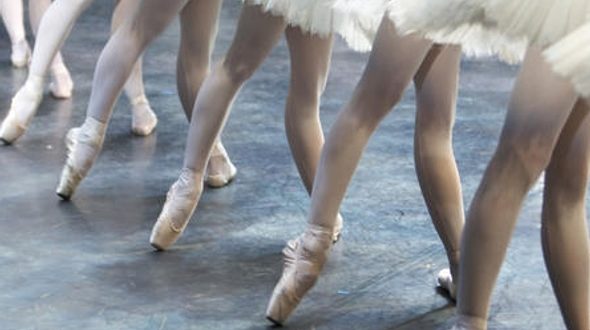
Help keep our dancers on their toes
Swan Lake is one of ballet’s most demanding productions, particularly for the lower legs. Dancers go through countless pairs of pointe shoes during rehearsals and performances, often wearing through a couple of pairs in a single show. Your support helps provide the shoes they need to perform at their best, stay safe and bring this iconic ballet to life.
Stability Heel Rises with Banded Resisted
Inverted/ Everted Heel Rises on a Wedge Block
Finding the right pointe shoes
Pointe shoe fittings are another important part of this process. We talk to dancers about how their shoes feel and what they need from them, and we work collaboratively with the fitting team to make sure their footwear is suitable.
Every dancer has different feet. Some have stronger feet, while others have more flexible feet, so we need to understand what we’re working with to help them build the right strength and stability. For a dancer with particularly flexible feet, for example, we might encourage them to consider a harder shoe that offers more support, rather than a softer, more bendy shoe.
Having access to enough good-quality pointe shoes that are suitable for each dancer’s feet is so important. During a ballet as demanding as Swan Lake, the right shoes can make a real difference to their comfort, support, safety and ability to perform. Our Pointe Shoe Appeal helps us provide dancers with the pointe shoes they need throughout the season, supporting them as they prepare for and perform this demanding ballet.
Supporting foot health and recovery
Alongside our strength and conditioning work, we also encourage dancers to think about how they can support their feet and lower legs throughout the season. Physiotherapist Khushnum Pastakia recommends a range of recovery options, including ice baths, compression socks and recovery boots. Trigger point balls can also be useful for rolling out the feet, helping dancers to give them some extra attention after the demands of rehearsals and performances. These are practical ways dancers can support their recovery, alongside the individual advice and care they receive from the physiotherapy team.
Lateral Hurdle Hops
Multi-Directional Hurdle Hopping
Building strength while managing fatigue
There are a lot of rehearsals involved in preparing for Swan Lake, as well as performances that can take place across two consecutive days. The dancers need to be robust enough to perform the ballet repeatedly, but we also have to be mindful of how much additional work they are doing.
The Swan Lake programme I created [see below] is pretty generic, and dancers can use it independently, but we always aim to make programmes individual to each person. Someone with a previous injury might need something more specific, while another dancer may come to us because they feel they have a weaker area, such as an ankle that rolls more easily or a weakness in the muscles at the front of the foot.
The programme also changes as we get closer to performances. We started the season more slowly and steadily, gradually increasing the load. We then adjusted it depending on the dancers’ rehearsal schedules and how close we were to the shows, reducing the work again in the final week so that they are fresh for performances.
Understanding individual needs
Injury prevention is not just about strength. We also need to consider sleep, nutrition, recovery and the overall workload each dancer is managing.
With the amount of jumping and pointe work in Swan Lake, we can see overuse injuries such as Achilles and peroneal tendinopathies, as well as bone stress injuries in the feet, shins and ankles. The body can only tolerate so much, particularly when it is fatigued, so gauging what is best for each dancer is essential.
Everyone’s bodies, routines and abilities are different. For some dancers, doing less additional work in the gym may be more beneficial if rehearsals are already providing enough of a physical load. For others, targeted strength work can help them meet the demands of the ballet more comfortably.
Ultimately, it is a balancing act. We want to help dancers become robust enough to tolerate the workload, while also recognising that the human body has limits. By understanding those limits and managing the demands of Swan Lake carefully, we can help dancers stay strong, healthy and ready to perform throughout the run.
Image gallery
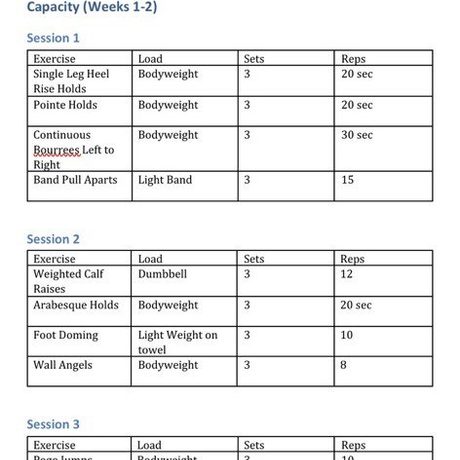
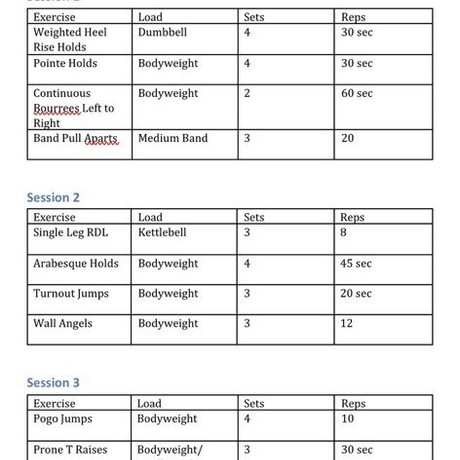
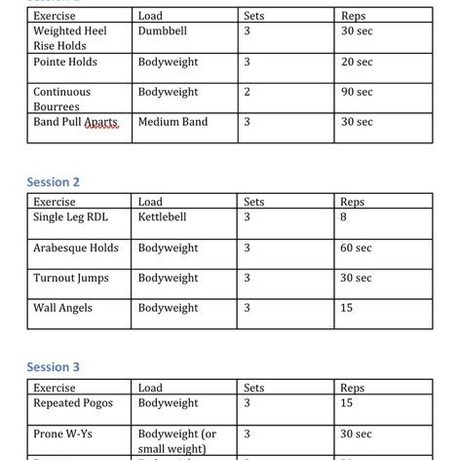
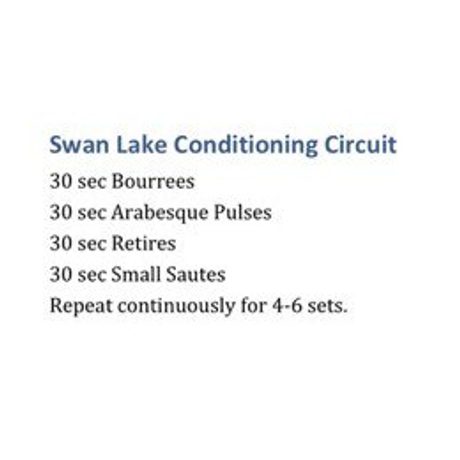
Jordan's strength and conditioning programme.
Find out more about The Jerwood Centre

Inside BRB’s AI Nutrition Project with Clinical Director Dr Nick Allen

Dr Nick Allen on rest, recovery and preparing for a new season
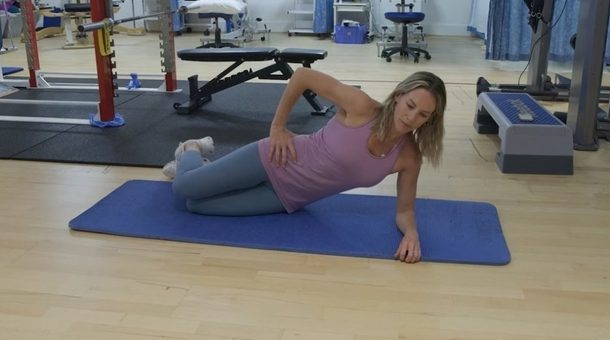
How do dancers train for Swan Lake? Rehabilitation and Conditioning Lead Esther Collacott on her go-to conditioning exercises
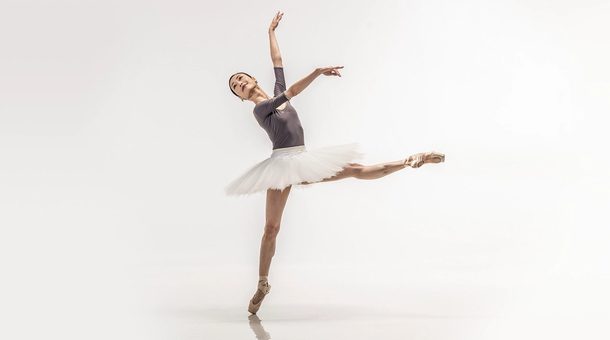
Exploring ballet's hardest moves: the 32 fouettés from Swan Lake

Dealing with injury as a ballet dancer: insights from Hannah Martin and Nick Allen

Fuel for performance: inside dancer nutrition at Birmingham Royal Ballet
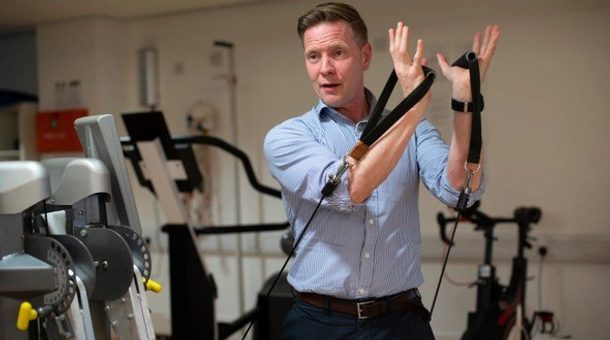
The Jerwood Centre: supporting dancers on tour
Announcing a strategic partnership with University of Birmingham
Exploring ballet's hardest moves: barrel turns

Post-performance recovery, health and self-care with Matilde Rodrigues
WATCH: The Silence After Applause