News Story
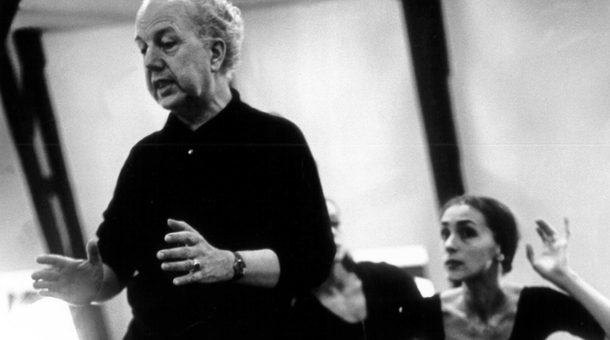
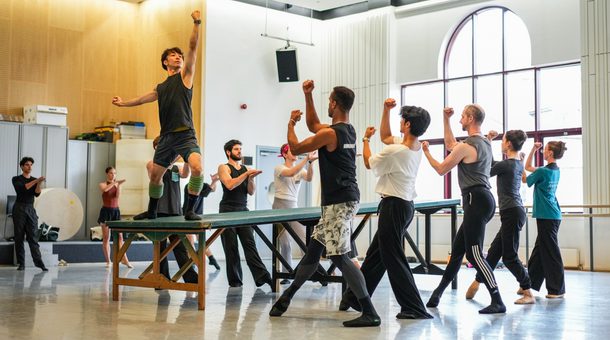
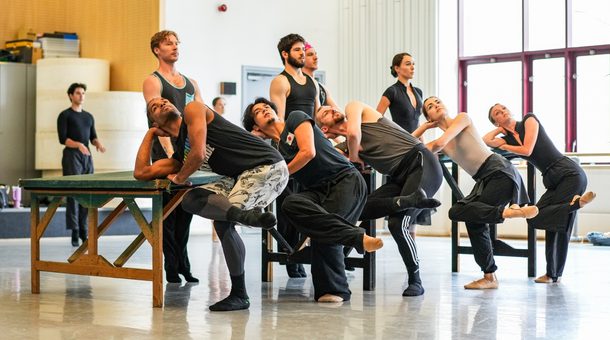
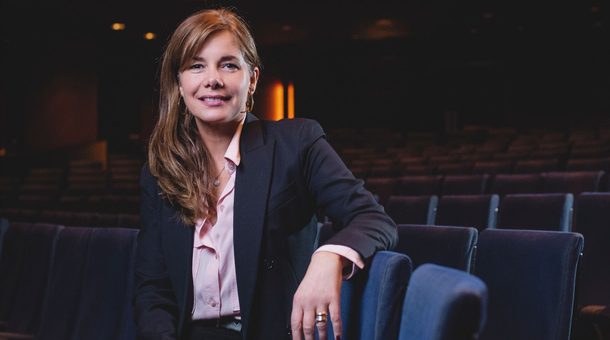
Lilla Bauer was one of Kurt Jooss's principal dancers and the original Young Girl in The Green Table, a role created especially for her when the groundbreaking work premiered in 1932. More than 90 years later, her daughter, Julia Seiber Boyd, visited BRB to watch rehearsals and share memories of her mother's extraordinary life, career and enduring connection to one of the most influential dance works of the 20th century.
Image gallery
A gallery slider
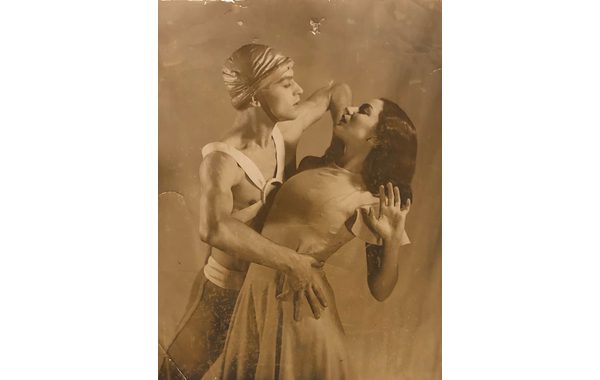
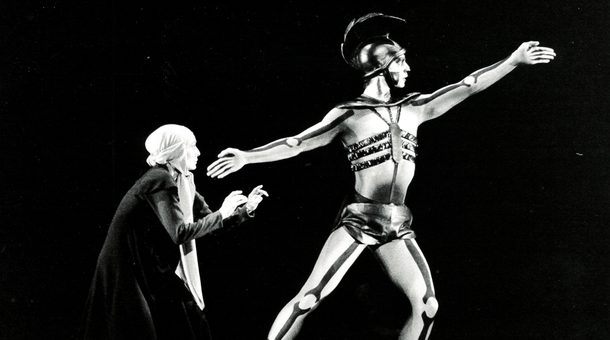
Lilla Bauer in The Green Table
Credit : Delacre & Martin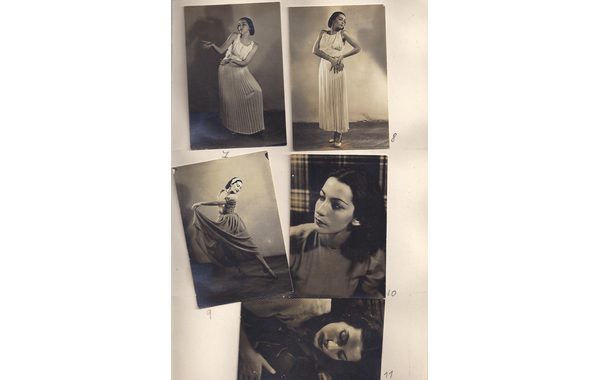
Lilla Bauer
Credit : Julia SeiberMy name is Julia Seiber Boyd, and my mother was Lilla Bauer, a Hungarian dancer and the original Young Girl in Kurt Jooss's The Green Table.
She grew up in Hungary, where modern dance was thriving in the 1920s and 30s. After training at two of Budapest's specialist dance schools, she was spotted by Kurt Jooss and joined Ballets Jooss at the age of 19. The role of the Young Girl was created for her when The Green Table premiered in 1932. My mother always regarded Jooss as a genius. She admired the way he created movement and, perhaps more importantly, how he worked with dancers. He knew how to bring out more than they thought they were capable of. Watching her teach later in life, I often recognised the same qualities in her own approach.
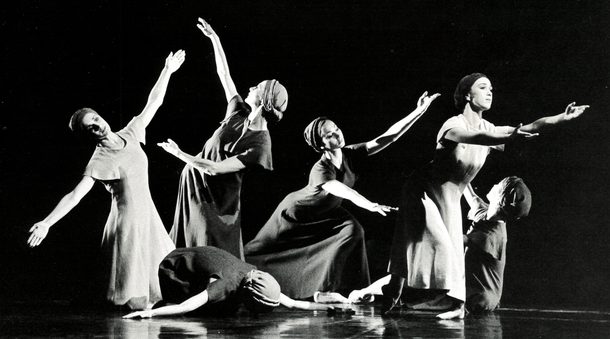
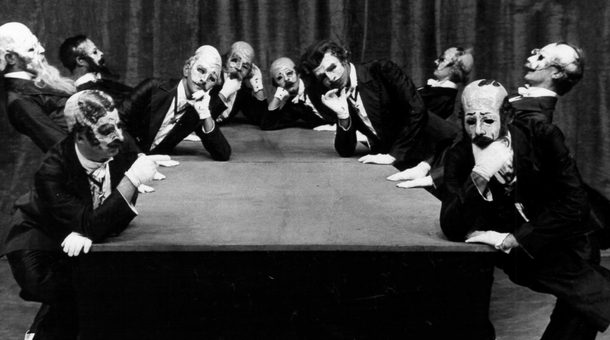
She danced The Green Table throughout the company's early years, including tours across Europe and the United States. Ballet Jooss was unlike anything audiences were used to seeing. This was not classical ballet with tutus and fairy tales. Every movement, costume and character served a purpose. The work felt modern, urgent and deeply human.
In 1938, my mother left the company and returned briefly to Hungary, intending to start her own dance company. But Europe was changing rapidly. Her parents urged her to leave while she still could, and she moved to London instead, where she would spend the rest of her life. It was in London that she met my father, the Hungarian-born composer and conductor Mátyás Seiber. He had studied with Béla Bartók and Zoltán Kodály before settling in Britain and becoming one of the country's most influential composers. Among his many works was the score for The Invitation, created in collaboration with Sir Kenneth MacMillan and now regarded as a landmark of British ballet. My parents married in 1946 and shared a life shaped by music, dance and creativity. Sadly, my father passed away in 1960, in a tragic car accident, when I was 11 years old.
Image gallery
A gallery slider
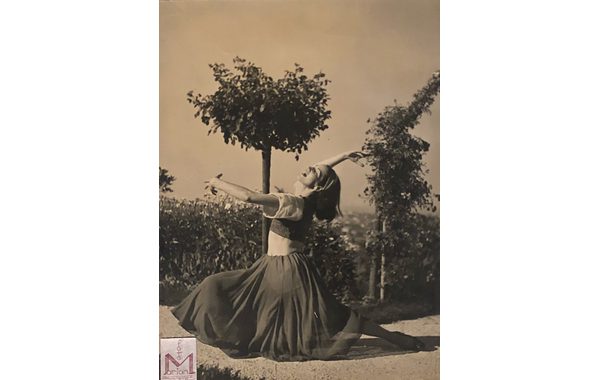
Lilla Bauer
Credit : Mariann Reismann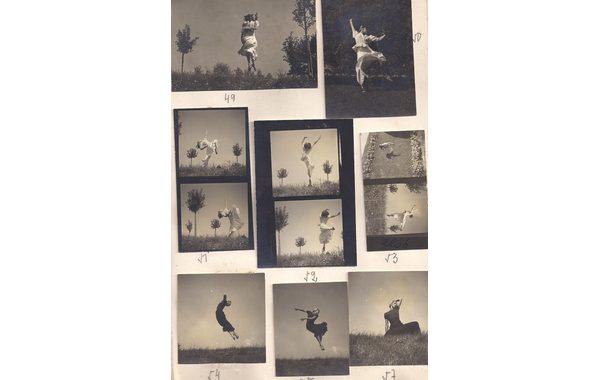
Lilla Bauer
Credit : Julia SeiberMy mother remained devoted to dance. After her performing career ended, she taught modern dance and Laban notation at Goldsmiths' College for many years. As a child, I often accompanied her to work during school holidays and watched her teach. Her grace and talent never ceased to amaze me.
My mother was also fortunate to have had many artists around her. Her close friend, the photographer Mariann Reismann, captured some wonderful images of her. Before her marriage to my father, she had a relationship with George Buday – a highly celebrated Hungarian wood engraver, illustrator and printmaker – who created numerous portraits of her during her years with Ballet Jooss. In 2019, I spent an extraordinary afternoon at the British Museum looking through Buday's archive and discovered 14 portraits of my mother that I had never seen before.
Although she left Ballet Jooss many years earlier, The Green Table remained an important part of her life. She believed deeply in the power of the work and in Jooss's vision. The ballet was born out of the political tensions of the 1930s, and its message still feels relevant today.
That is why I am so pleased to see it being performed again. The Green Table is not simply a historical work; it continues to speak to the world we live in now. My mother was proud to have been part of its creation, and I think she would be delighted to know that new generations of dancers and audiences are still discovering it today.
Looking back, I realise how fortunate I was to grow up surrounded by artists. My parents' lives were shaped by some of the defining cultural and political events of the 20th century, yet both remained committed to the power of art to communicate, challenge and connect people. That spirit is something I still recognise whenever I think of my mother and her place in The Green Table.
The Green Table will be performed as part of the Sir Peter Wright Centenary on 18 June 2026, with Carlos Acosta returning to the stage for one night only to perform the role of Death. The ballet will also be performed in our triple bill 20th-Century Masterpieces, which premieres on 19 June 2026.